
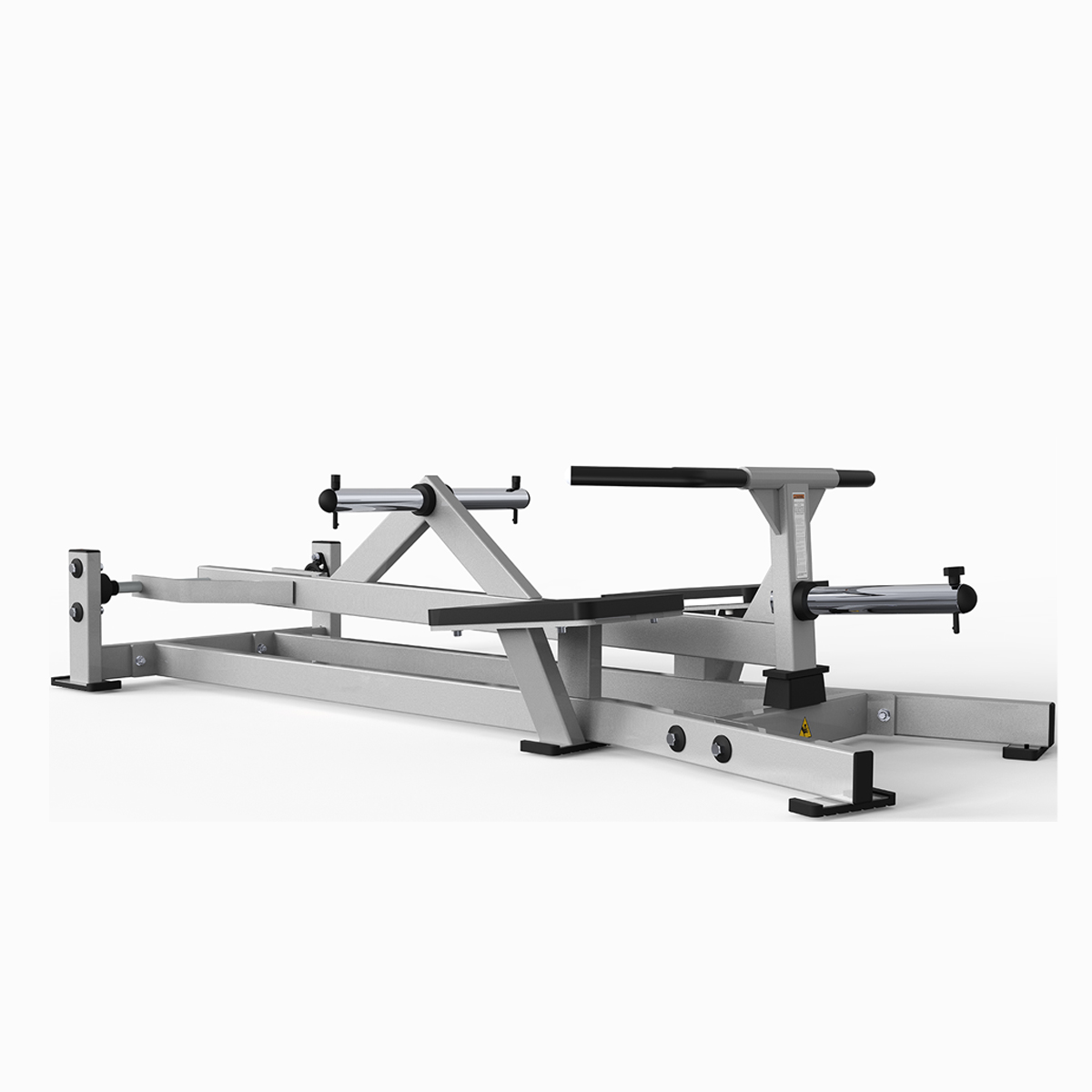
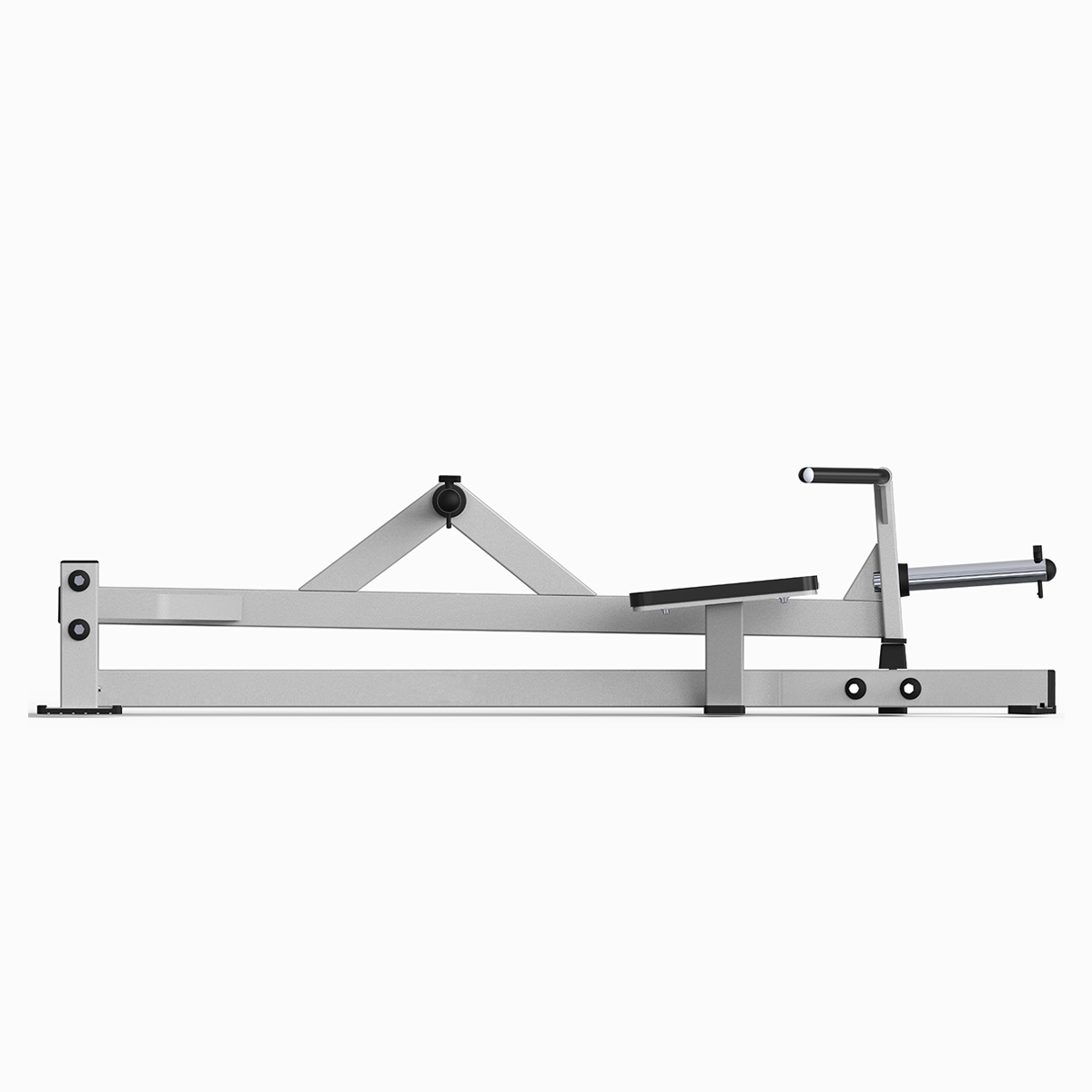
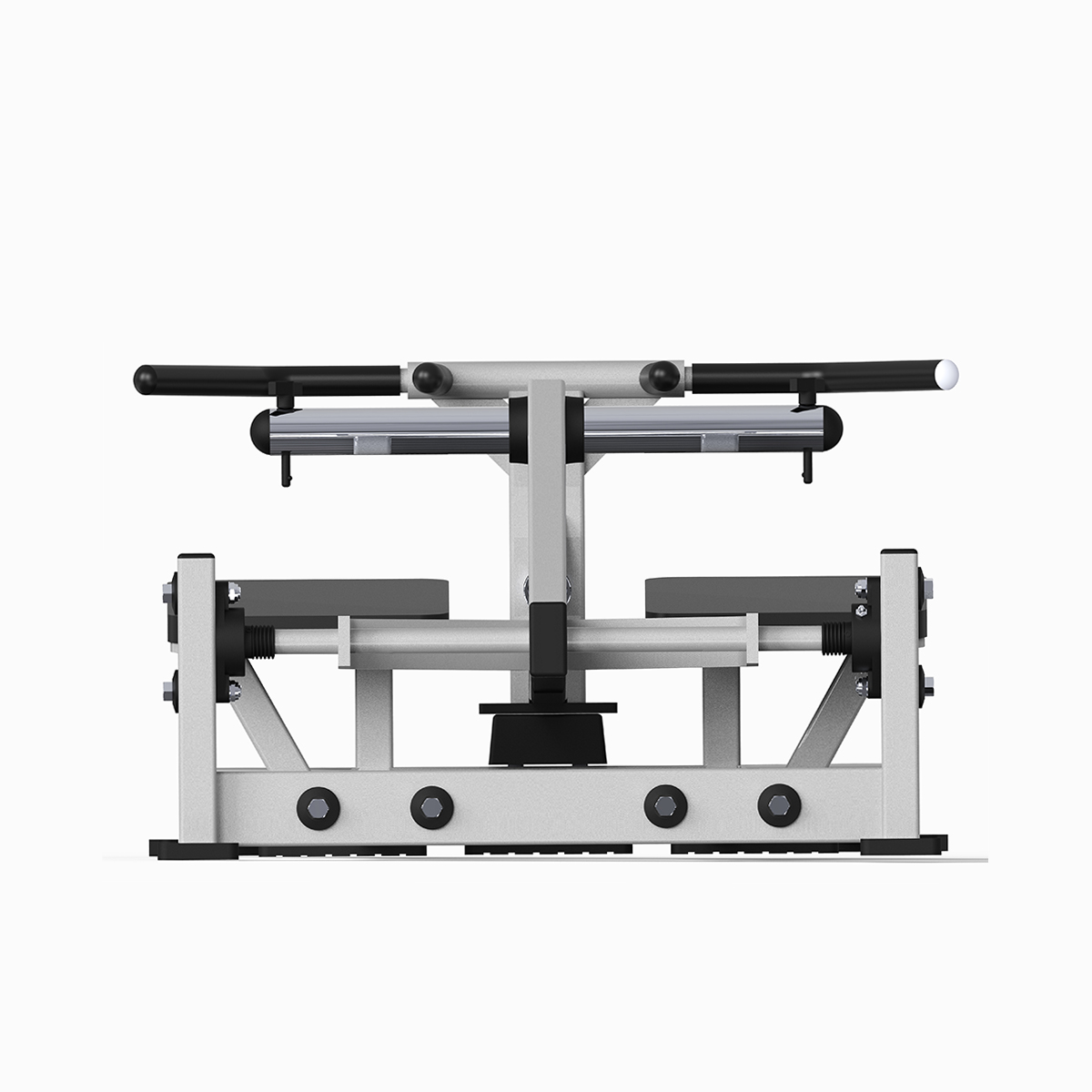
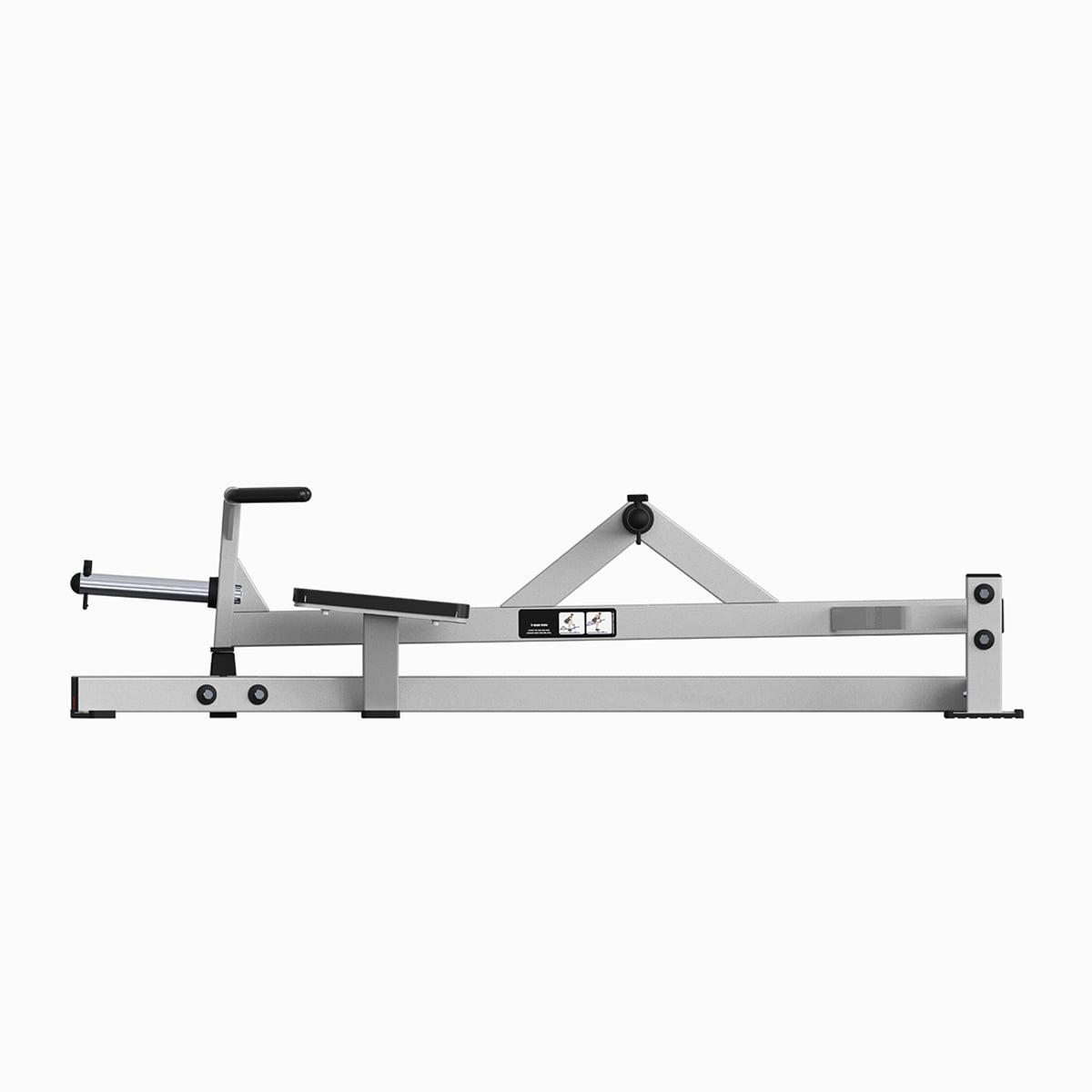
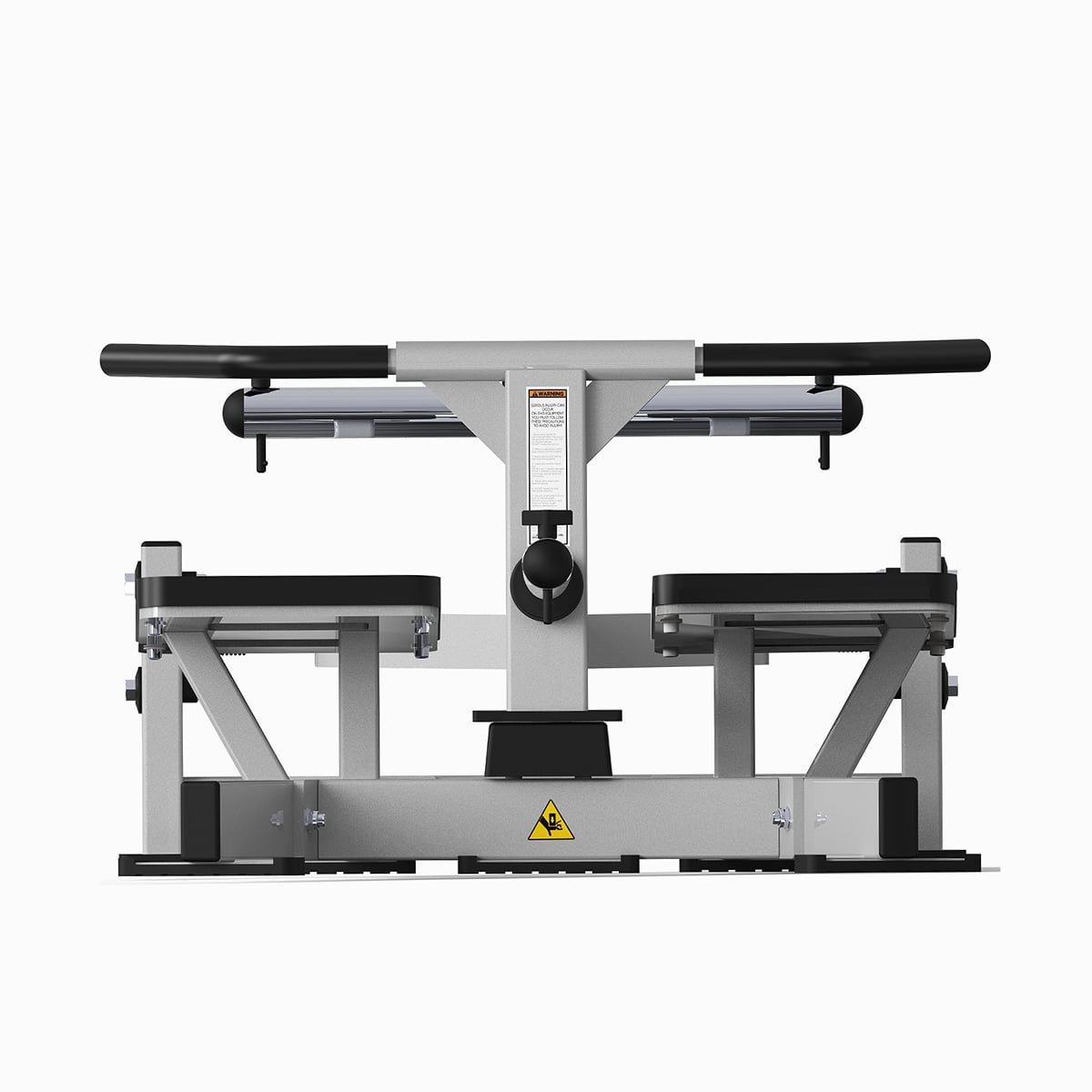
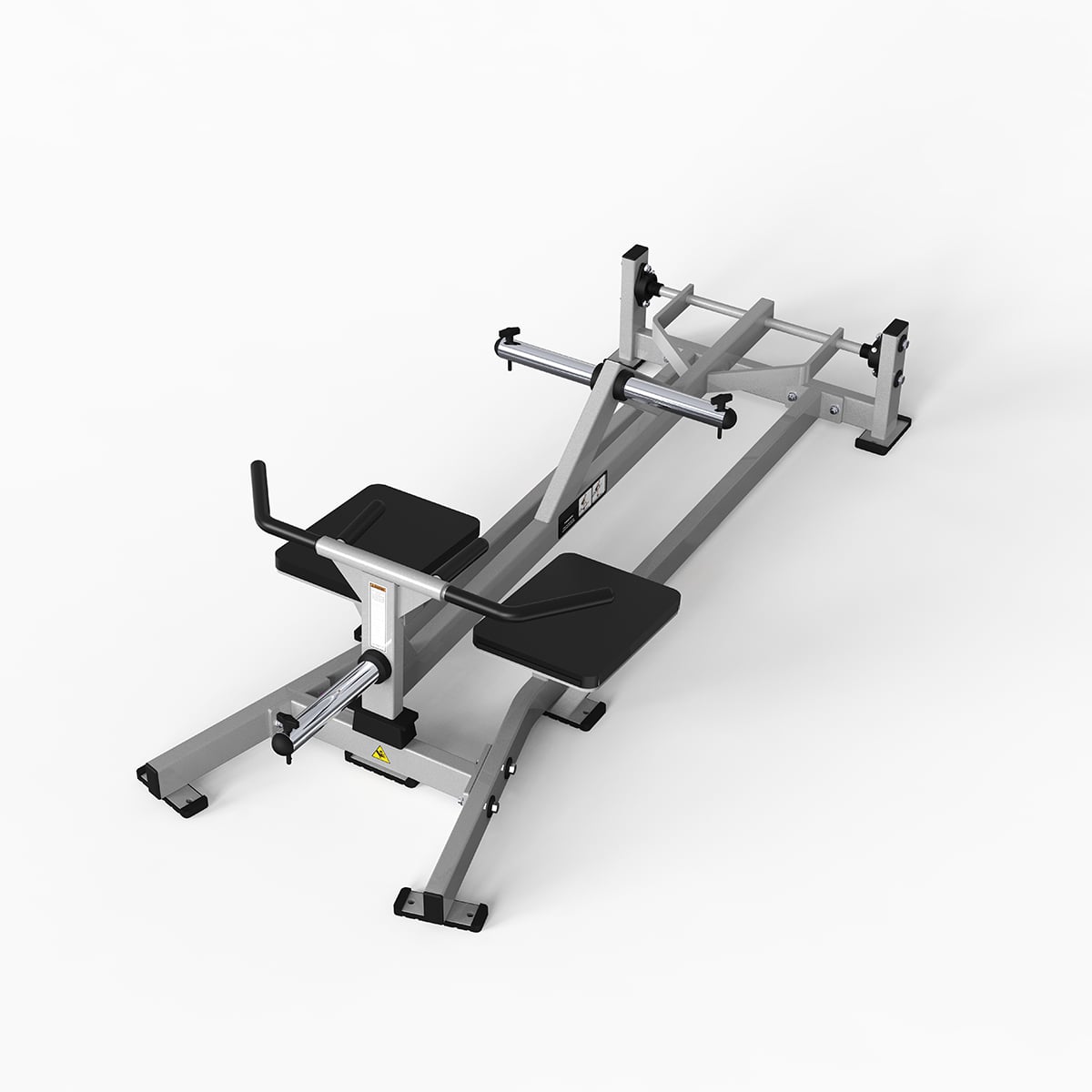
PL-8065 T-Bar Row
High Quality T Bar Row Machine Gym Strength Training Back Fitness Equipment
- Overview
- Recommended Products
- Pain Point 1: Members desire to increase back thickness through heavy rowing, but due to insufficient core strength, lower back discomfort, or fear of improper form, they consistently use conservative weights, leading to stagnant progress.
- Pain Point 2: Gyms want to introduce more "hardcore training" equipment to attract experienced enthusiasts, but the pure free weight area carries a high risk of accidents and incurs high coaching supervision costs.
- Pain Point 3: When personal trainers instruct members on rowing movements, members struggle to grasp the correct hip hinge and back engagement, resulting in low teaching efficiency.
- Customization Options: Customizable support pad materials, frame colors, and branding are available. Different handle sizes (V-handles, triangle handles, long straight handles, etc.) can be provided upon request.
- Procurement and Logistics Flexibility: Supports various procurement needs and provides end-to-end logistics planning and professional installation guidance from the factory to the venue.
- After-Sales and Operational Support: Provides detailed installation instructions and safety usage guidelines to ensure correct equipment installation and safe training for members.
Product General Information:
| Place of Origin | Shandong, China |
| Brand Name | Beckwell |
| Model Number | PL-8065 T-Bar Row |
| Adjustment function | Seat fore-aft and weight distribution adjustable in multiple positions |
| Safety protection | Counterweight buffer device, anti-slip pedal |
| exert force and guide | Fixed trajectory |
| Transportation methods | Sea freight and air freight |
| counterweight range | 0-200kg (customizable) |
| color | Customizable |
| Applicable Scenarios | Commercial gyms, home use, studios, etc. |
| Exercise sign | Muscle markings, specific stretches for each exercise, diagrams of starting and ending exercises, proper equipment adjustments, and color-coded equipment labels. |
| Seats | Ergonomic chair |
Product Business Terms:
| Minimum Order Quantity | 1 |
| Support for delivery terms | FOB.CFR.CIF.EXW.FCA.DDP.DAF |
| Delivery Time | 45 days |
| Payment Terms | T/T .D/P .D/A .L/C .PayPal .etc |
Description:
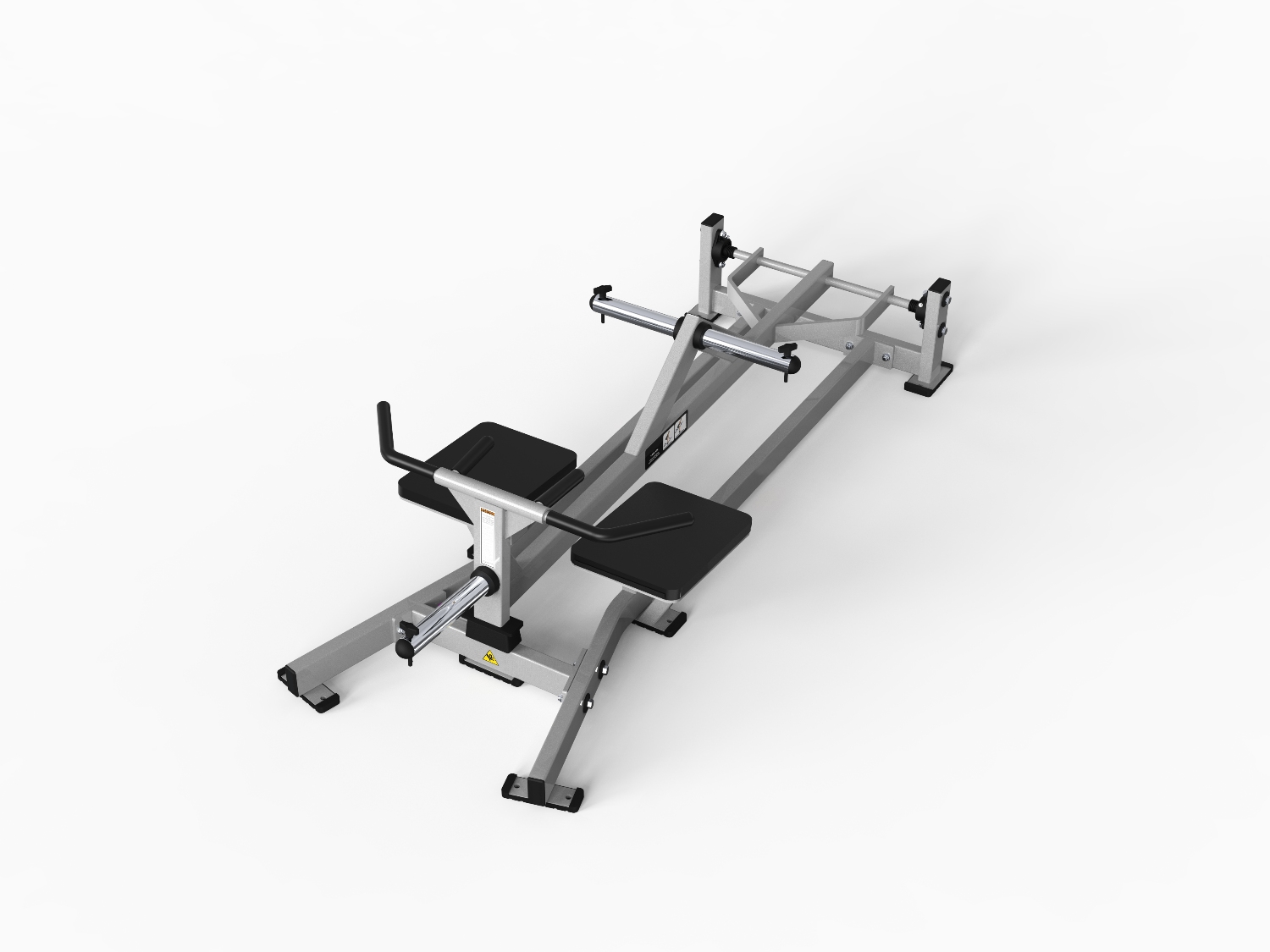
In building a robust, three-dimensional, and powerful back muscle training system, the free-weight barbell row is hailed as a golden exercise due to its ability to recruit a large number of muscle groups and develop overall strength and thickness. However, its remarkable effects come with a very high barrier to entry: it requires the trainee to stabilize the entire core and lumbar spine with strong isometric contraction in a bent-over position to counteract the shear force of the weight; at the same time, it requires precise control of the coordination between scapular retraction and elbow drive trajectory, which is also extremely challenging for intermediate and advanced trainees. Any technical deviation or core fatigue can easily transfer the pressure to the lower back incorrectly, making it a bottleneck that many trainees seeking breakthroughs find difficult to safely overcome, and also bringing potential injury risk management pressure to commercial gyms. The design philosophy of the T-barbell row machine is precisely to ingeniously solve this contradiction: while maximizing the preservation of the "neuromuscular adaptation diversity" and "freedom of fine-tuning of force exertion" that are crucial in free weight training, it completely eradicates the inherent instability risk and lumbar spine overload through structural innovation. It achieves a dual revolution through a fixed movement track and a unique T-shaped lever and opposing grip structure: First, its track physically regulates the weight's movement along the most ergonomic vertical path, eliminating the possibility of the barbell swaying back and forth and stabilizing the pelvis and torso in the optimal hip hinge position; second, the T-shaped lever and opposing grip design naturally guide users to adopt a palm-to-palm grip, which not only facilitates scapular retraction and depression but also concentrates and precisely directs the load to the target muscle groups—especially the lower trapezius, rhomboids, and upper latissimus dorsi in the mid-back—maximizing muscle-building benefits. Therefore, this machine is far more than just a high-efficiency rowing device; it is a cornerstone safety investment and efficiency engine for commercial gyms. It allows members to confidently attempt heavier weights, previously avoided due to fear of injury, with absolute safety support, effectively breaking through plateaus in strength and muscle development; simultaneously, it significantly reduces the risk of lower back injuries caused by compensatory movements, alleviating operational concerns for gyms. It is essentially a smart bridge that cleverly combines the "realism" of free weights with the "safety" of fixed equipment, and is the strategic core for building a comprehensive, professional and risk-controlled back training area.
Functional Characteristics:
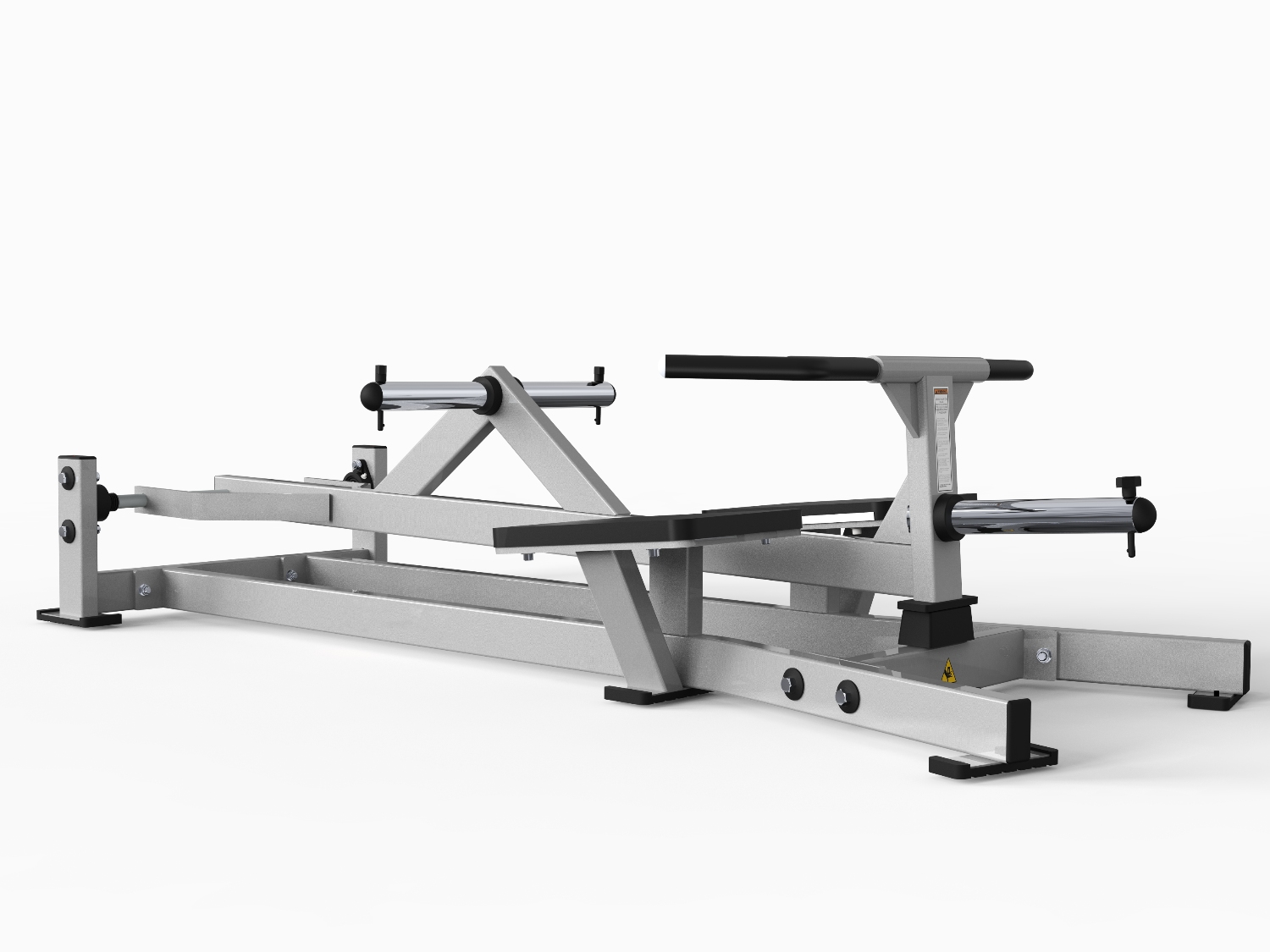
1. A "Free" Feeling of Force Activation within a Fixed Trajectory
The core design utilizes a T-shaped barbell structure with a fixed axis of motion. Trainees experience a near-free weightlifting feel with coordinated arm movements and fine-tuning of the motion's arc, while the trajectory is confined to a safe sagittal plane. This fundamentally eliminates the risk of weight deviation, swaying, or spinal twisting due to insufficient control, allowing for a "confident, full-power pull."
2. Lower Back Decompression and Posture Guidance System
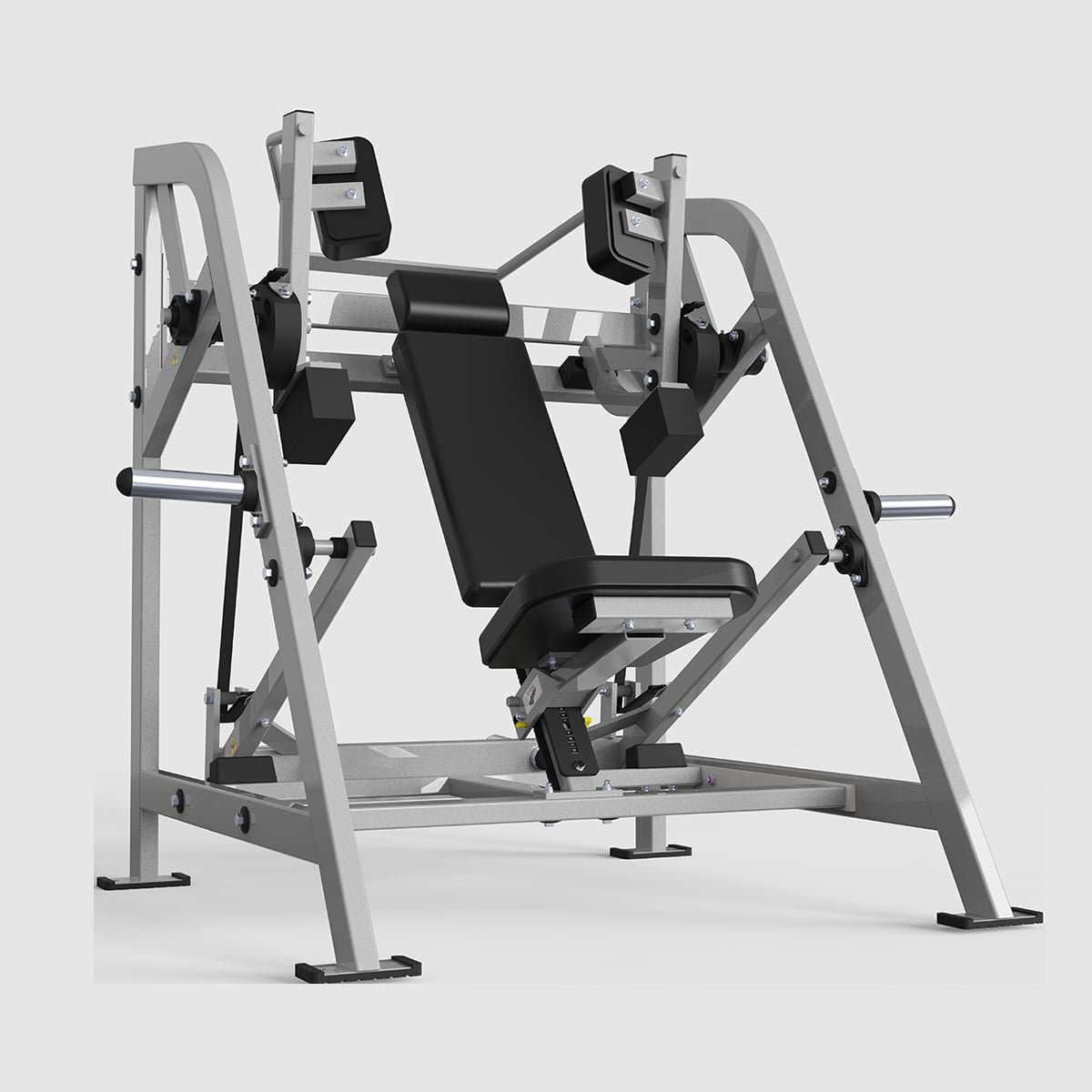
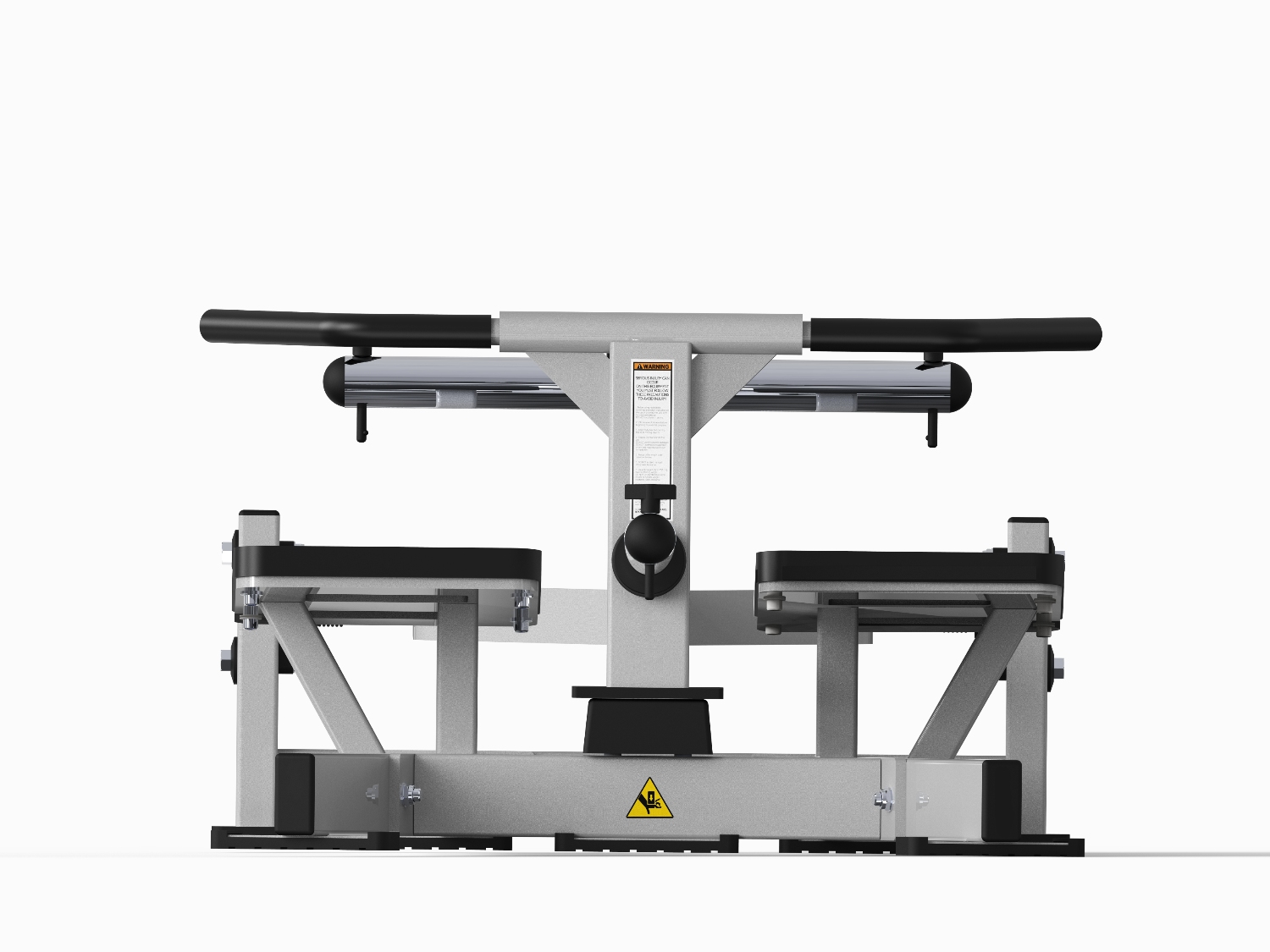
Equipped with an adjustable chest support pad, it provides stable support to the torso during movement, maintaining the lumbar spine in a neutral position. This transfers the static load on the lower back erector spinae muscles to the machine, allowing members to fully focus on the dynamic contraction of the upper and middle back, significantly reducing lumbar pressure, allowing for heavier training weights, and reducing fatigue and injury.
3. Multi-Grip Width, Multi-Target Stimulation Design
T-shaped handles are typically designed to be interchangeable or offer wide, medium, and narrow grip positions. A wide grip focuses more on upper back width and the posterior deltoid; a narrow grip or neutral grip (such as with a V-bar) better stimulates the lower latissimus dorsi and midline. One machine can achieve comprehensive development of back thickness, improving training diversity and efficiency.
4. Commercial-grade stable structure and easy loading
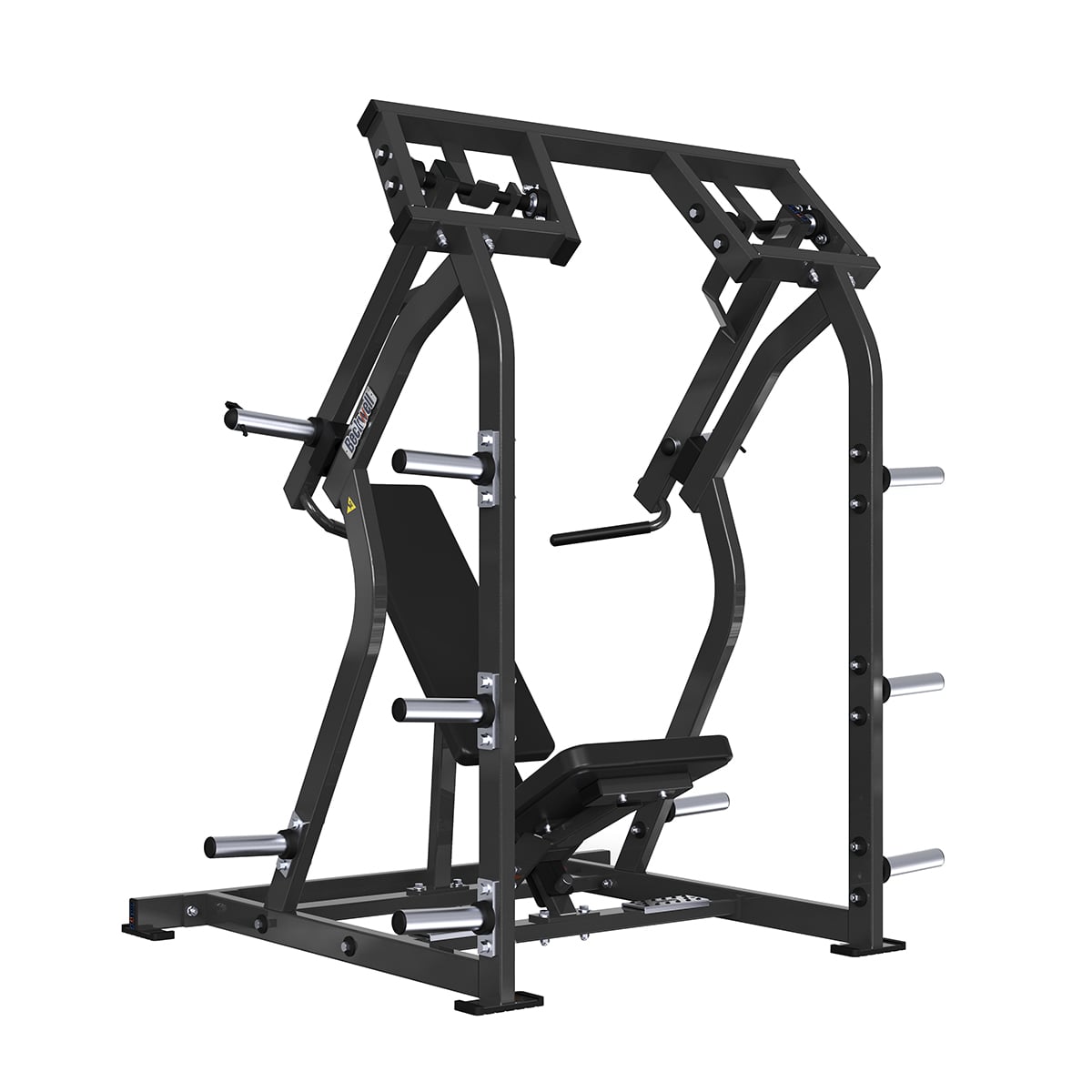
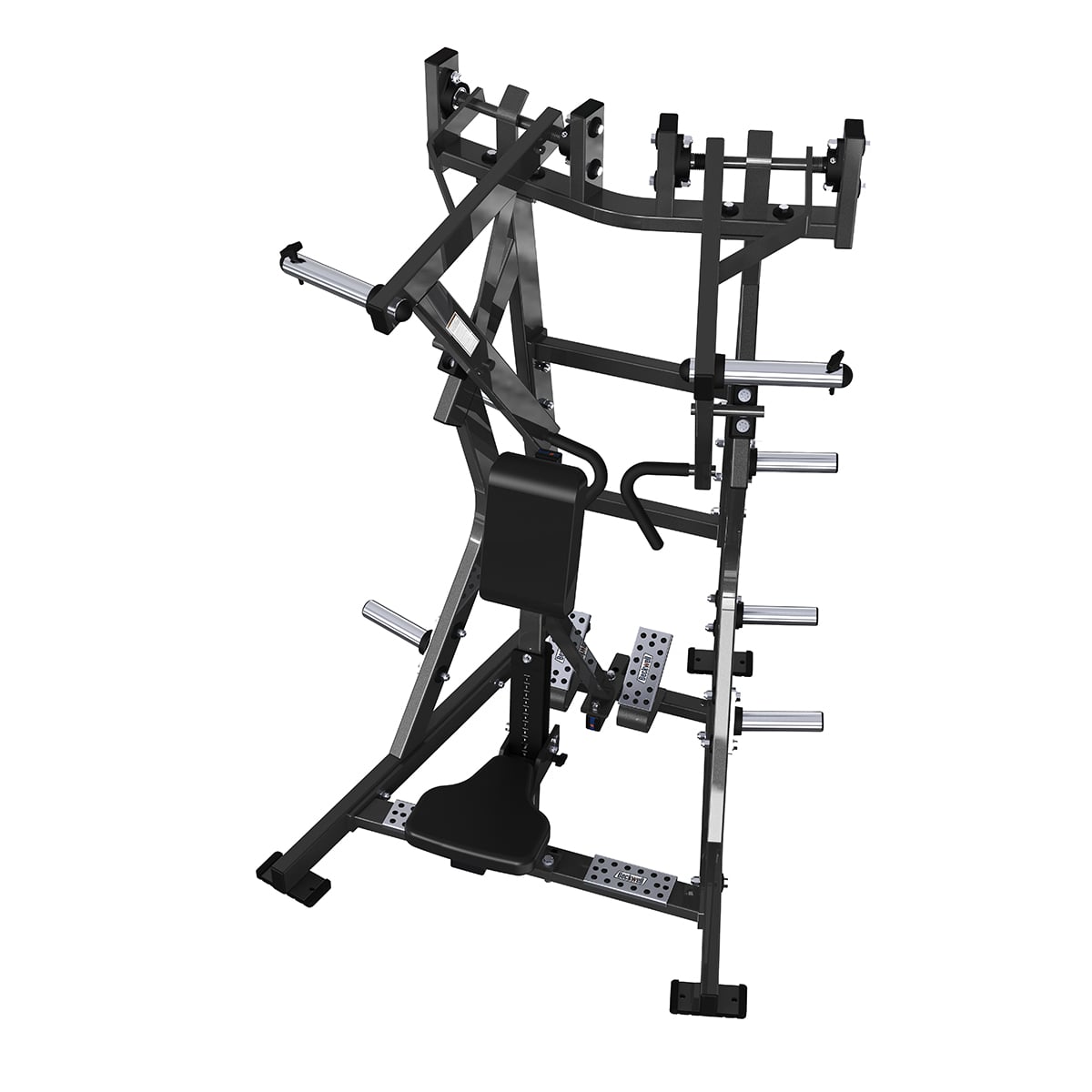
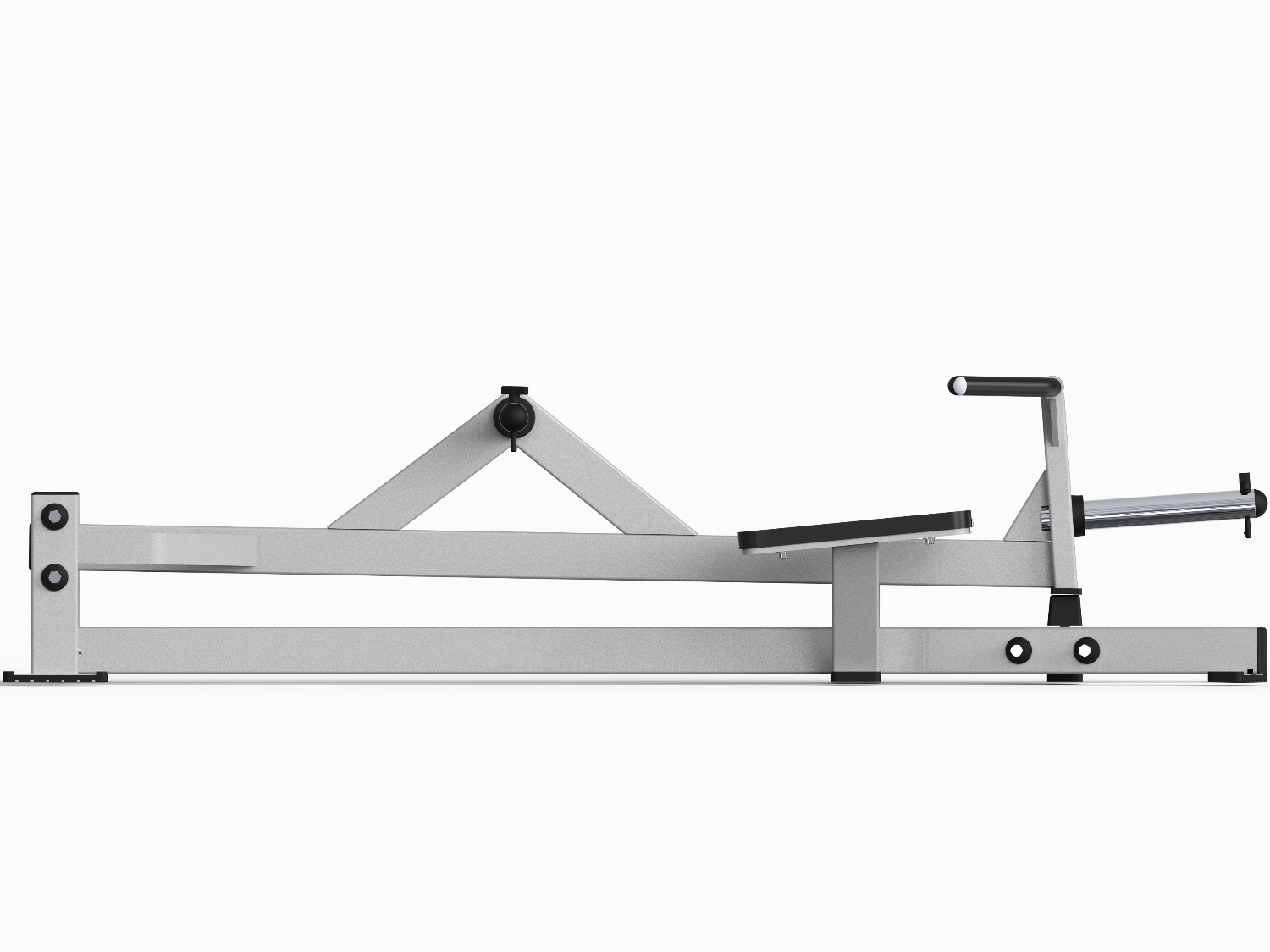
The main frame is welded from heavy-duty steel, with a wide and stable base that remains sturdy even during explosive, heavy lifting. The barbell plate loading method is compatible with traditional barbells, making loading convenient. The weight plates fit snugly against the body, resulting in a short lever arm, allowing for greater muscle stimulation with relatively less weight compared to free weight rows.
Applications:
Addressing the Pain Points of Safety and Efficiency in Back Training
Solution: The chest support design eliminates the limitations of the core and lower back, allowing members to safely and isolatedly target the strength and muscle limits of the upper and middle back muscles, a key tool for breaking through plateaus.
Solution: This equipment provides a training experience and psychological satisfaction comparable to free weights in the fixed machine area, while significantly reducing risks and supervision burdens, making it a cost-effective choice to enhance the area's professional appeal.
Solution: The fixed trajectory and support provide students with a perfect framework for movement, allowing instructors to focus more on guiding the power generation pattern rather than maintaining balance, significantly improving teaching efficiency and effectiveness.
Specifications:
| Specification | Weight/KG | Frame Material and Craftsmanship |
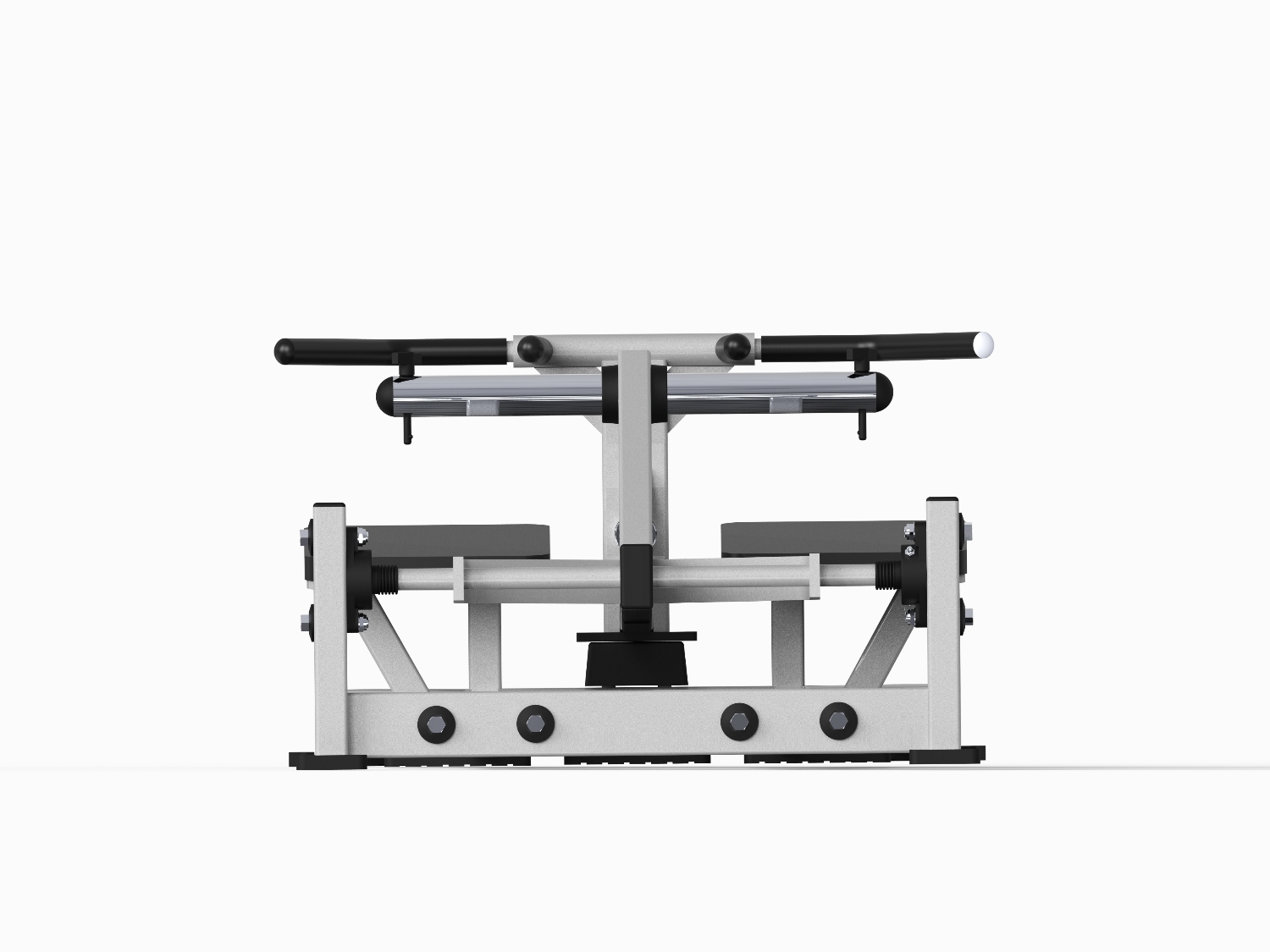
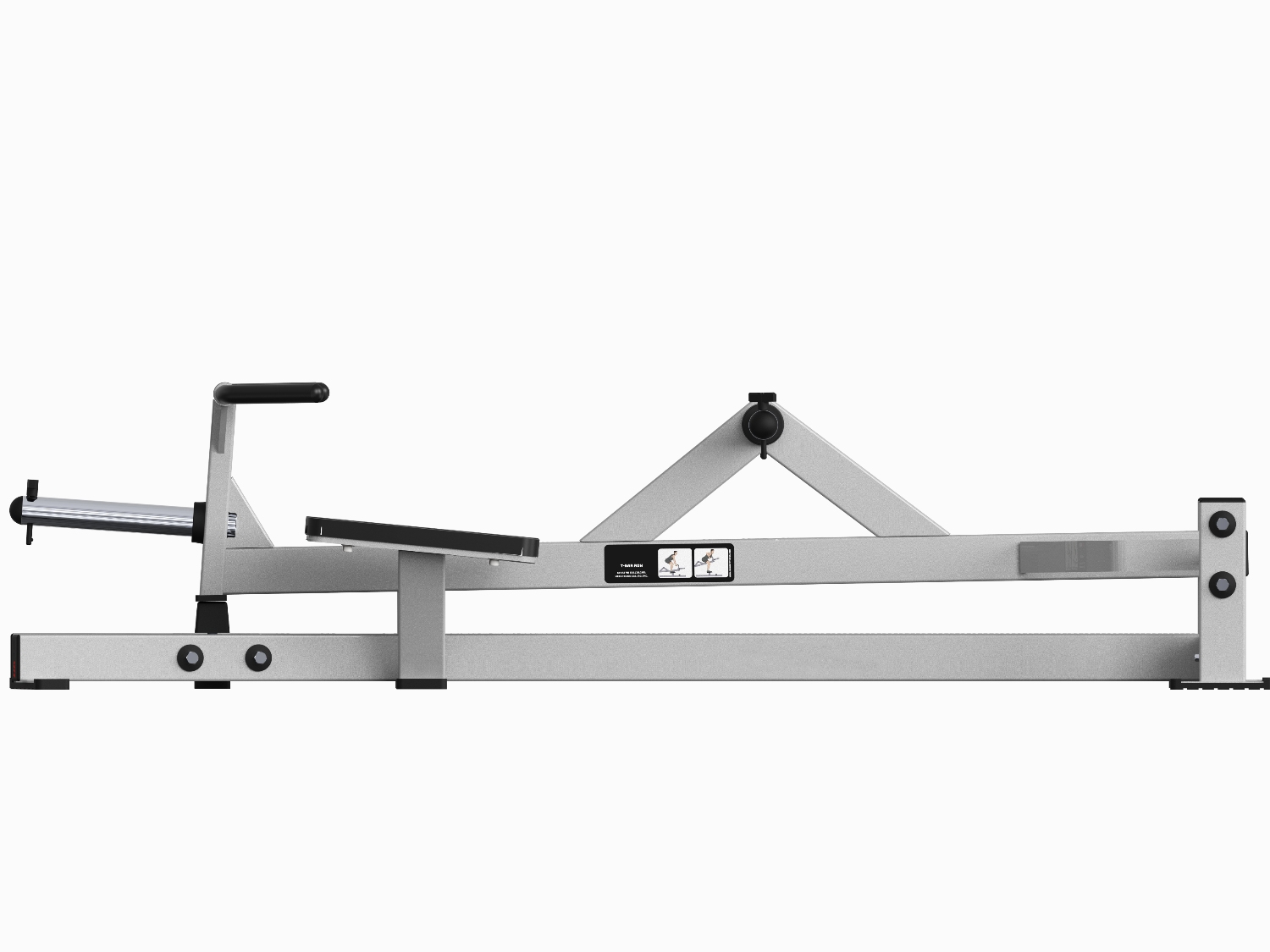
| 82" x 33" x 21" (210cm x 82cm x 53cm) |
2001bs(90.7kg) | Specialized double-layer powder coating process Frame materials: 76.2*38.1*3T Q195 galvanized pipe |
Competitive Advantage:
1. Precise Market Positioning: Accurately targeting the niche but high-demand market of "those seeking safe heavy-weight rowing training," filling the gap between free weights and traditional stationary rowing machines, and meeting the core needs of advanced users.
2. Perfect Balance of Risk and Return: With a simple mechanical design, it significantly reduces lower back risk for trainees while maximizing training efficiency, resulting in an exceptionally high return on investment (safety improvement vs. performance gain).
3. Dedicated B2B Partnership Support: We provide comprehensive partner support to ensure maximum equipment value:
Summary:
In summary, the T-bar rowing machine, through its ingenious fixed trajectory and support design, perfectly retains the essence of free weight rowing while systematically solving the problems of high risk and high technical requirements on the lower back. It provides commercial gyms with a "hardcore" training tool that allows members to safely, focusedly, and efficiently build back thickness. It is a strategically essential piece of equipment for enhancing the professional depth of the strength training area and user loyalty.