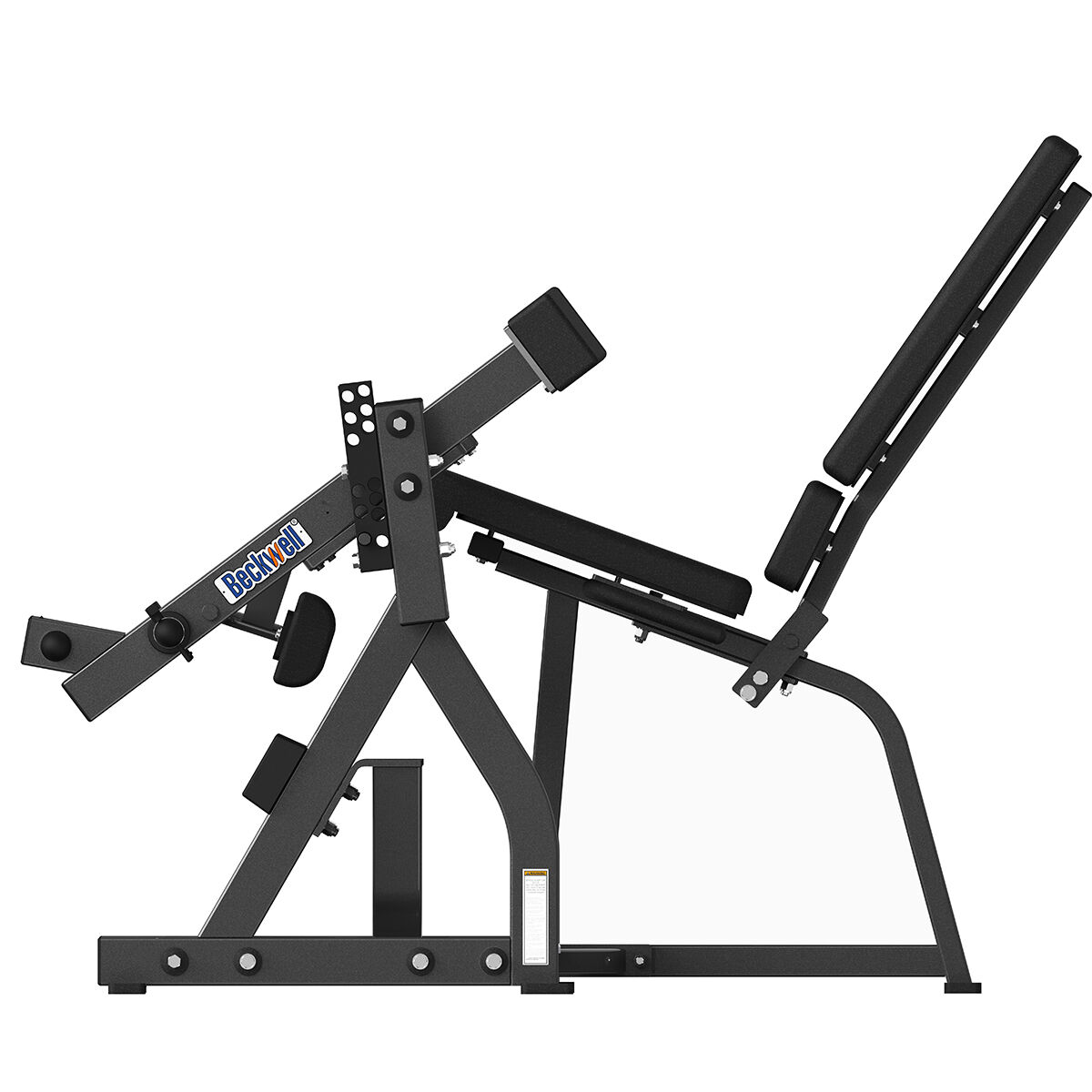
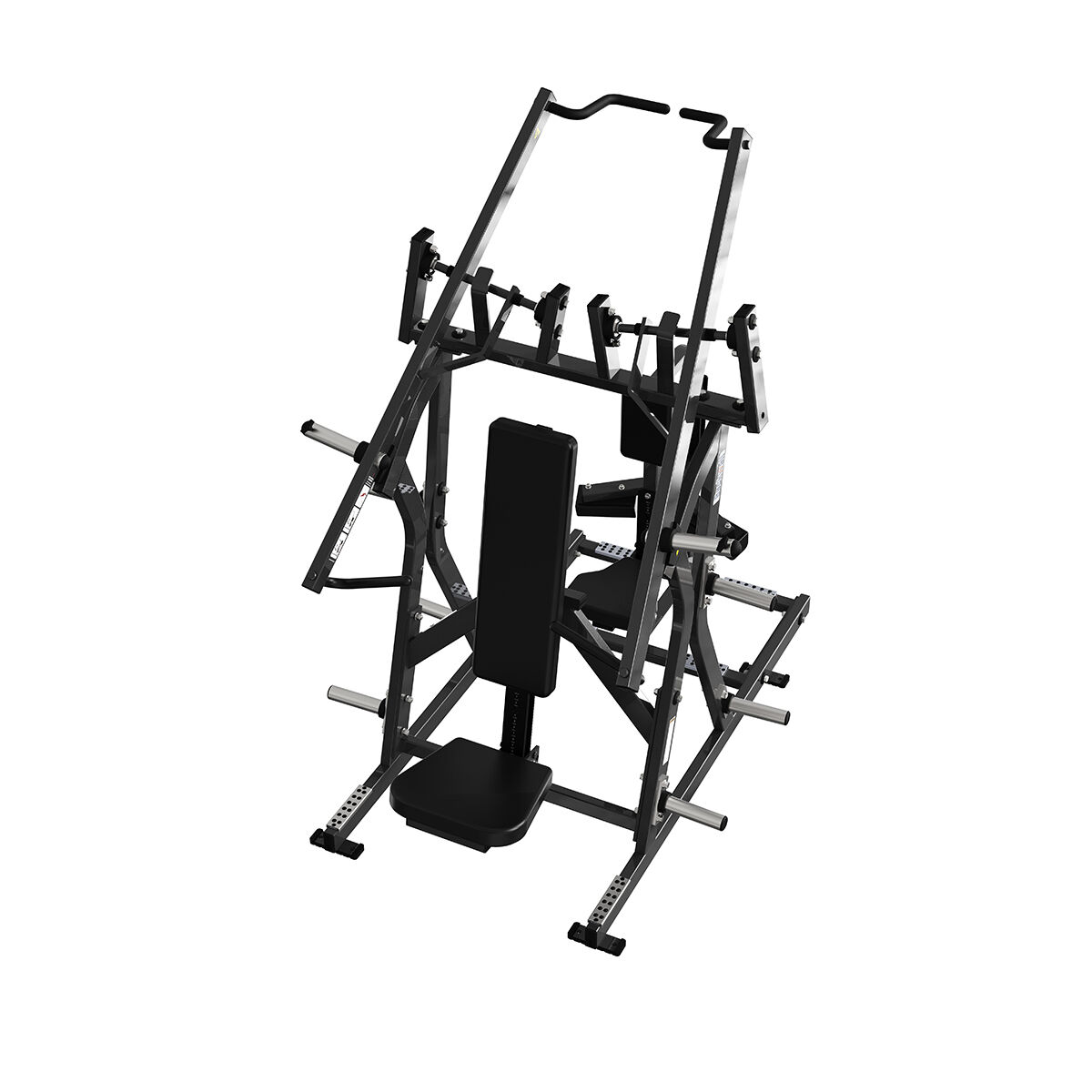
customizable gym equipment
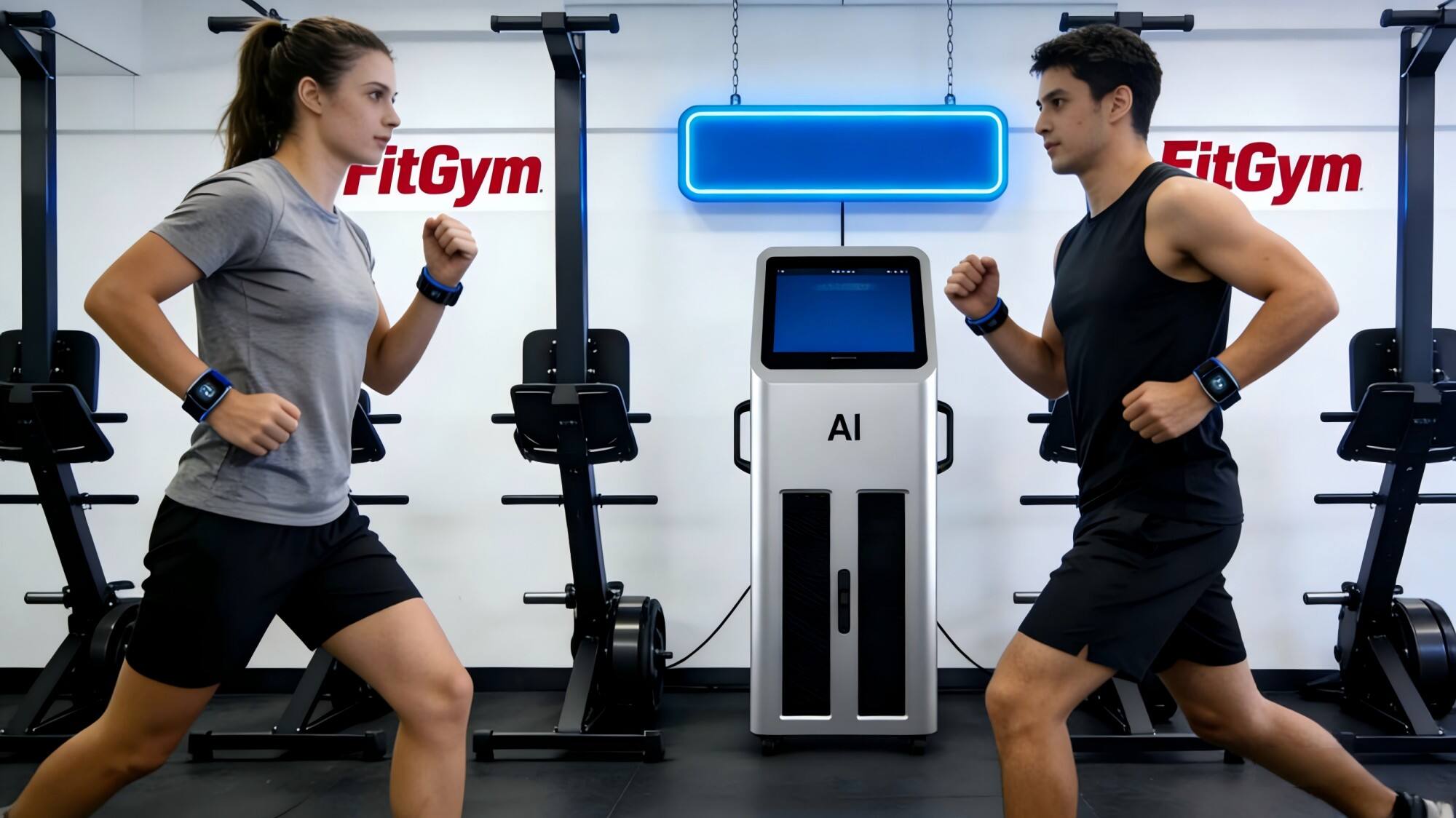
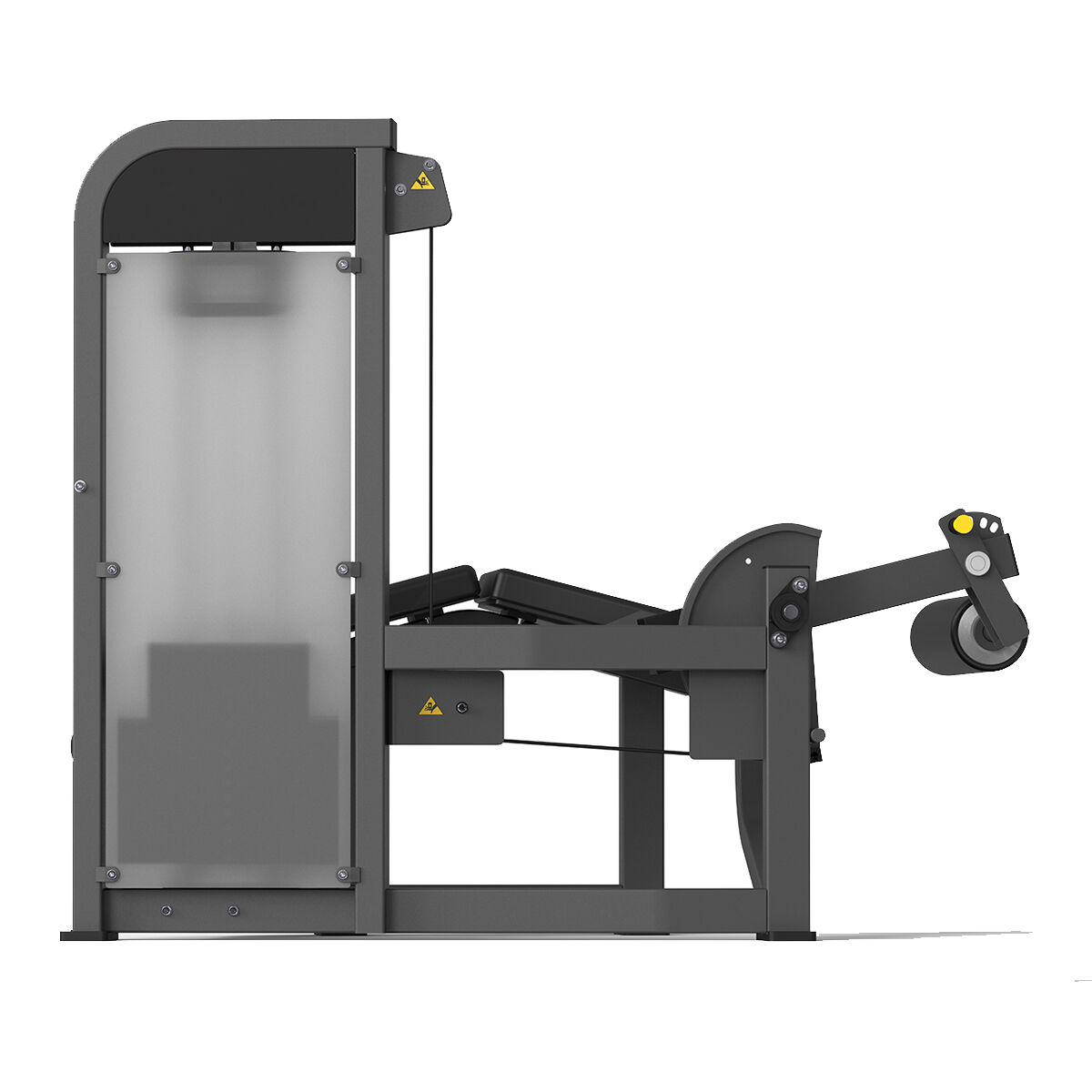
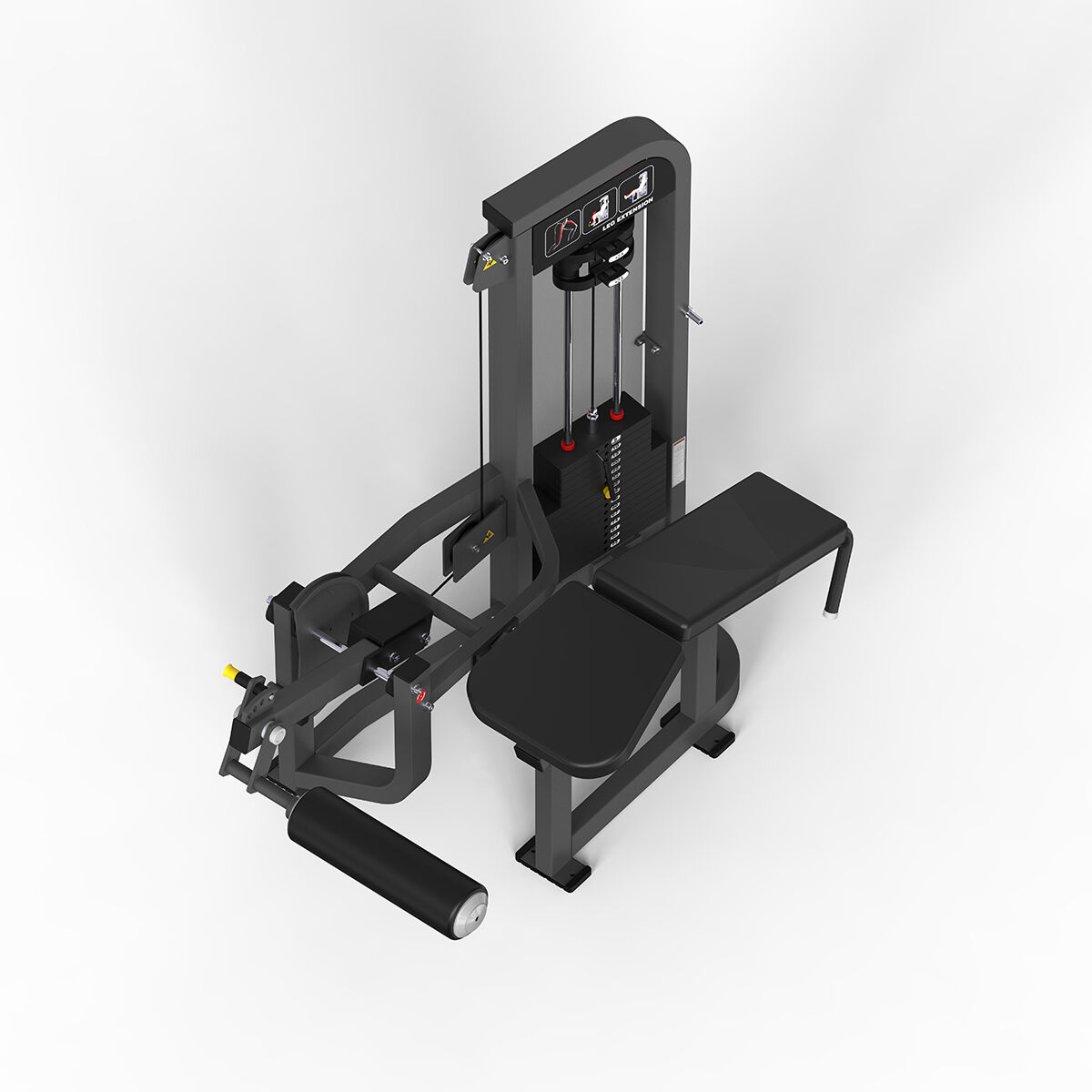
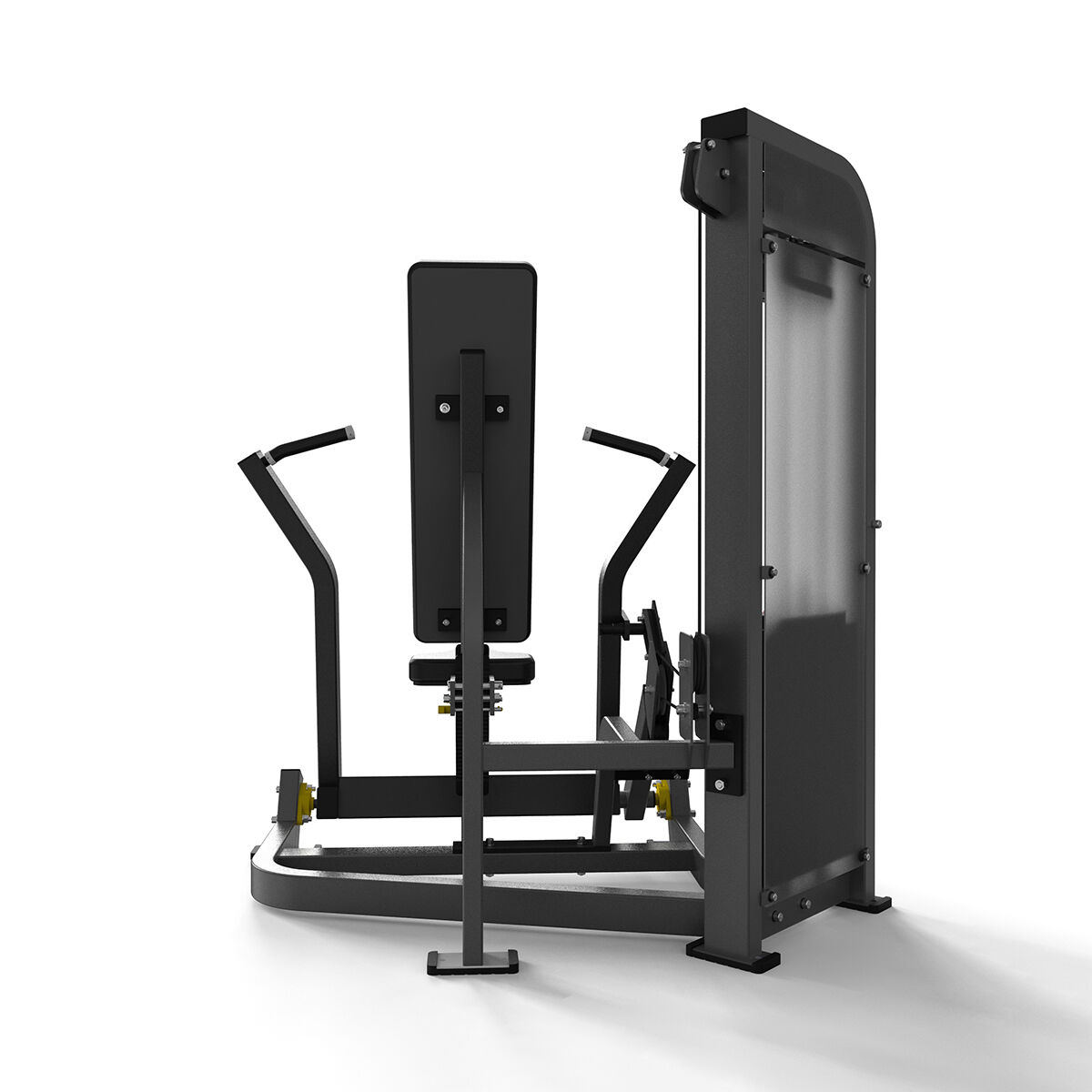
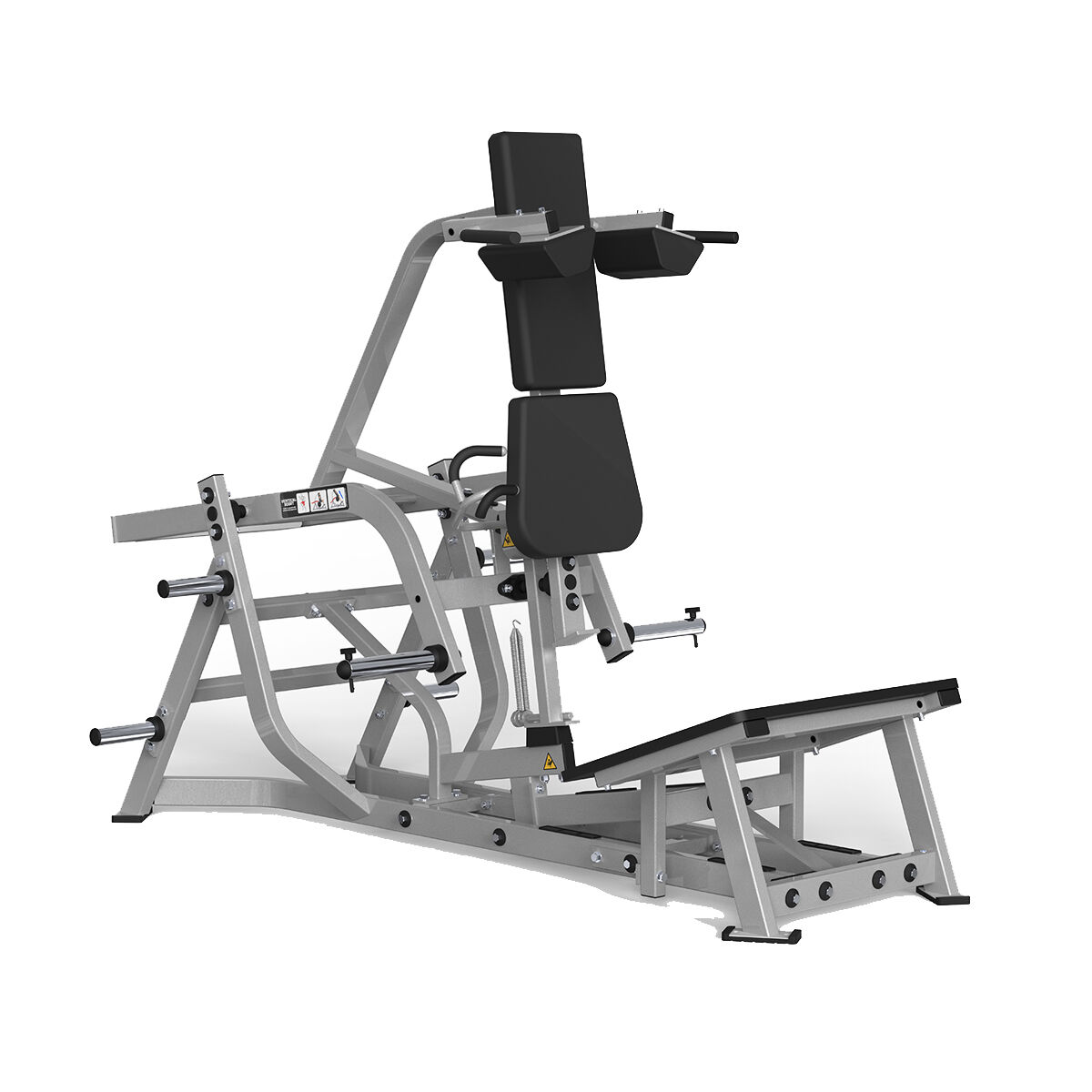
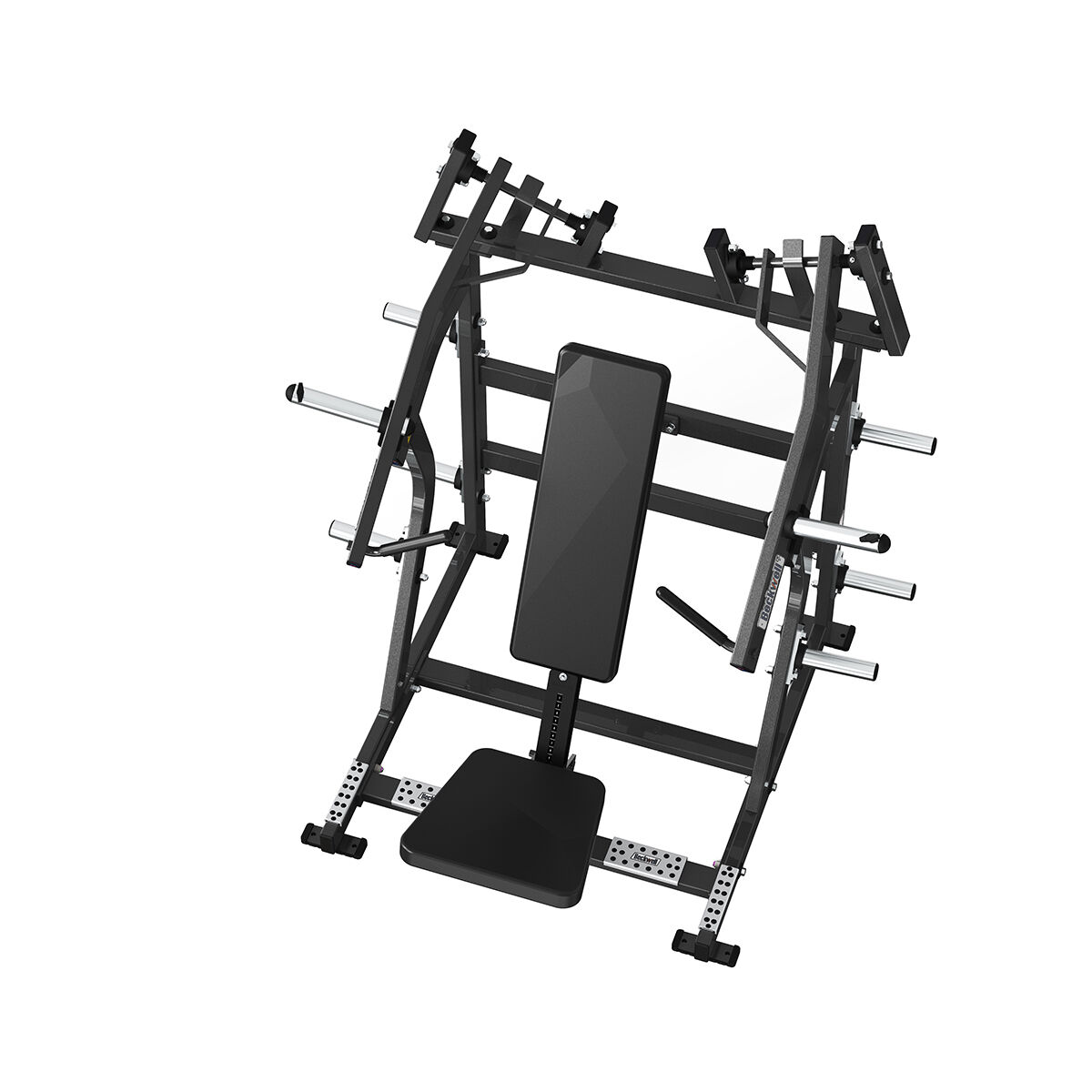
Customizable gym equipment represents a revolutionary advancement in fitness technology, offering unparalleled flexibility and personalization for fitness enthusiasts, commercial gym owners, and rehabilitation centers. This innovative equipment category allows users to modify resistance levels, adjust mechanical configurations, and adapt workout parameters to meet specific training objectives and physical requirements. The main functions of customizable gym equipment include variable resistance training, multi-exercise capabilities, and adaptive biomechanical positioning. These systems typically feature modular components that can be reconfigured for different muscle groups and exercise variations. The technological features of customizable gym equipment incorporate advanced digital interfaces, smart sensors, and programmable resistance mechanisms. Many units utilize electromagnetic resistance systems, pneumatic controls, and computerized feedback mechanisms to deliver precise workout experiences. Digital touchscreens provide real-time performance metrics, workout programming options, and progress tracking capabilities. Wireless connectivity enables integration with fitness apps and cloud-based training platforms. The applications of customizable gym equipment span across multiple sectors including commercial fitness facilities, home gyms, physical therapy clinics, and sports performance centers. Professional trainers utilize these systems to create specialized workout protocols for athletes, while rehabilitation specialists employ them for injury recovery programs. The equipment serves diverse populations from beginners seeking gradual progression to elite athletes requiring precise training loads. Advanced models feature AI-powered coaching assistance, automatic form correction, and personalized workout recommendations based on user performance data. The modular design philosophy ensures that a single piece of customizable gym equipment can replace multiple traditional machines, maximizing floor space efficiency while minimizing equipment costs. Safety features include automatic weight adjustment, emergency stop mechanisms, and biomechanical protection systems that prevent improper movement patterns and reduce injury risks.