Versatile Training Applications and User Adaptability
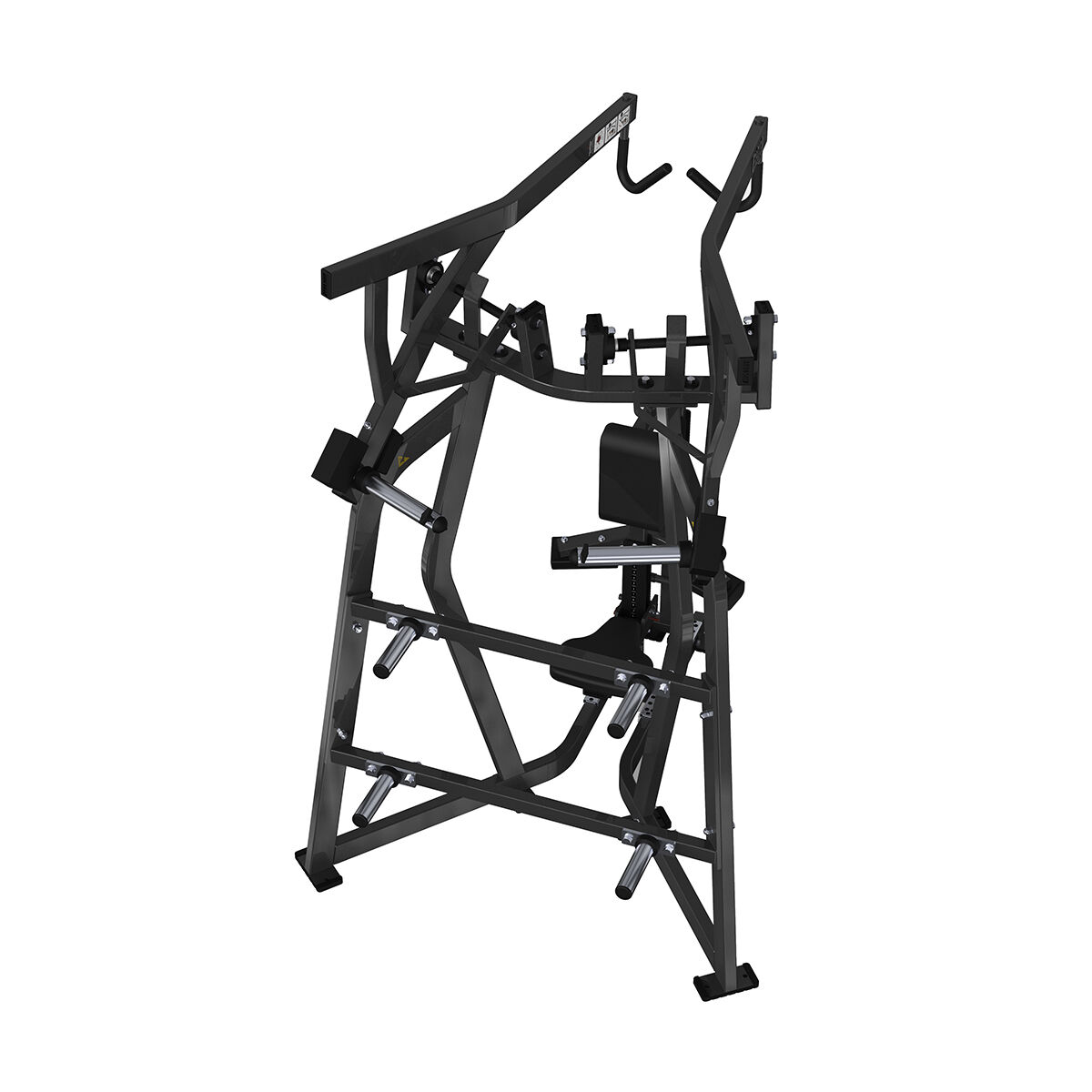
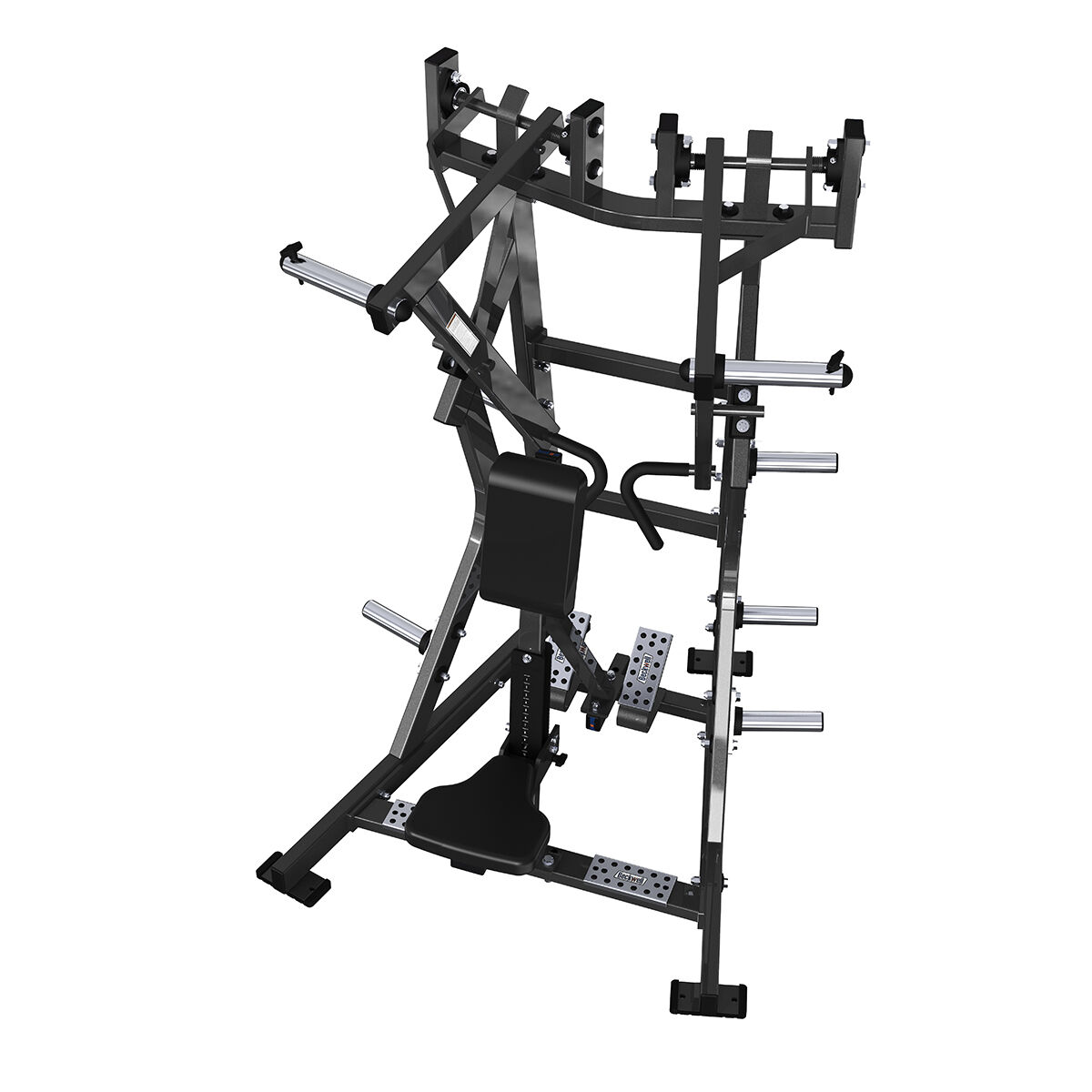
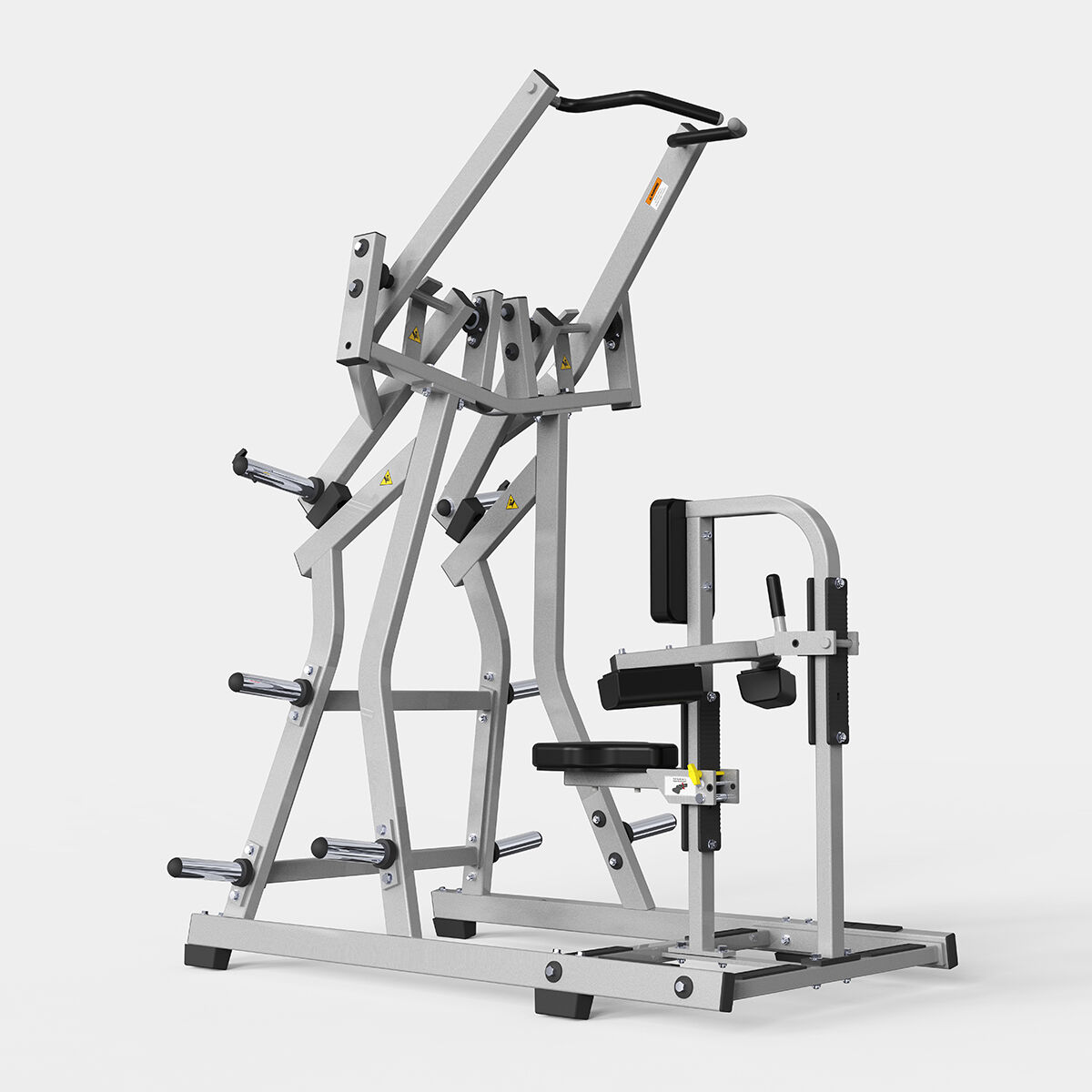
The hammer strength leg extension demonstrates exceptional versatility in training applications and user adaptability, making it an invaluable addition to diverse fitness environments and training programs. This versatility stems from the machine's comprehensive adjustability features and intuitive design that accommodates users across a wide spectrum of fitness levels, physical limitations, and training objectives. Rehabilitation professionals utilize the hammer strength leg extension extensively in physical therapy protocols, leveraging its controlled resistance and stable platform to facilitate safe quadriceps strengthening during injury recovery. The machine's ability to provide low-impact, isolated muscle training makes it ideal for individuals recovering from knee injuries, hip replacements, or other lower extremity procedures. Personal trainers incorporate the equipment into comprehensive lower body development programs, using it to target quadriceps development while minimizing stress on supporting structures. The precise isolation capabilities allow trainers to address muscle imbalances and asymmetries effectively, contributing to improved athletic performance and injury prevention. Bodybuilders and physique competitors rely on the hammer strength leg extension for detailed quadriceps development, utilizing the consistent resistance and isolation features to achieve specific muscle definition and size goals. The machine's ability to maintain tension throughout the full range of motion proves particularly valuable for advanced training techniques such as partial repetitions, negative training, and pre-exhaustion protocols. Athletic performance specialists incorporate the equipment into sport-specific training programs, using controlled quadriceps strengthening to enhance jumping ability, sprint performance, and sport-specific movement patterns. The machine accommodates users with varying physical limitations through its extensive adjustment capabilities, including seat height, back pad angle, and foot roller positioning. This adaptability ensures that individuals with mobility restrictions, limb length differences, or other physical considerations can utilize the equipment safely and effectively. The user-friendly design eliminates the learning curve associated with more complex equipment, allowing immediate productive training sessions for users of all experience levels.