Adaptive Resistance System with Biometric Feedback
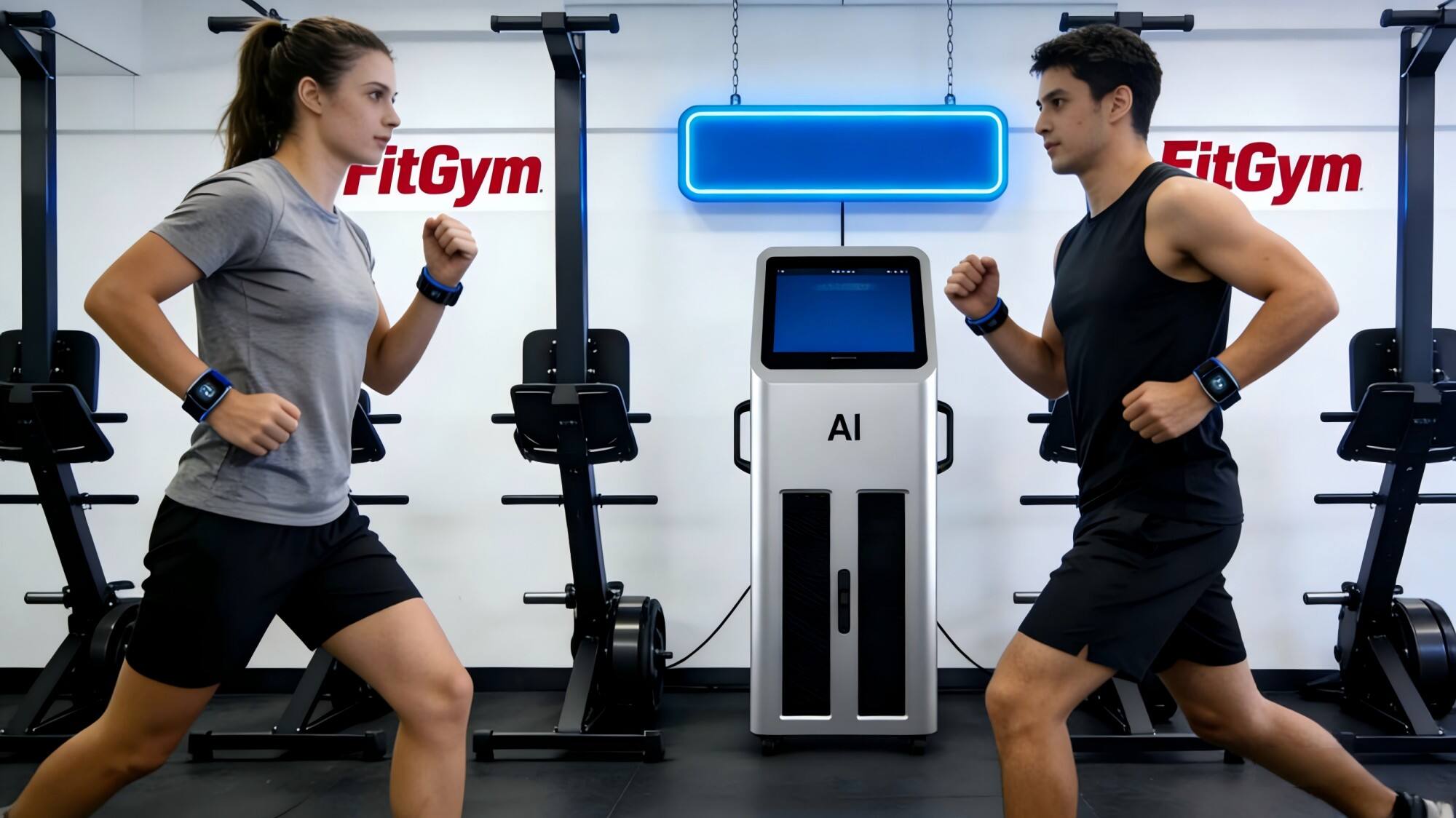
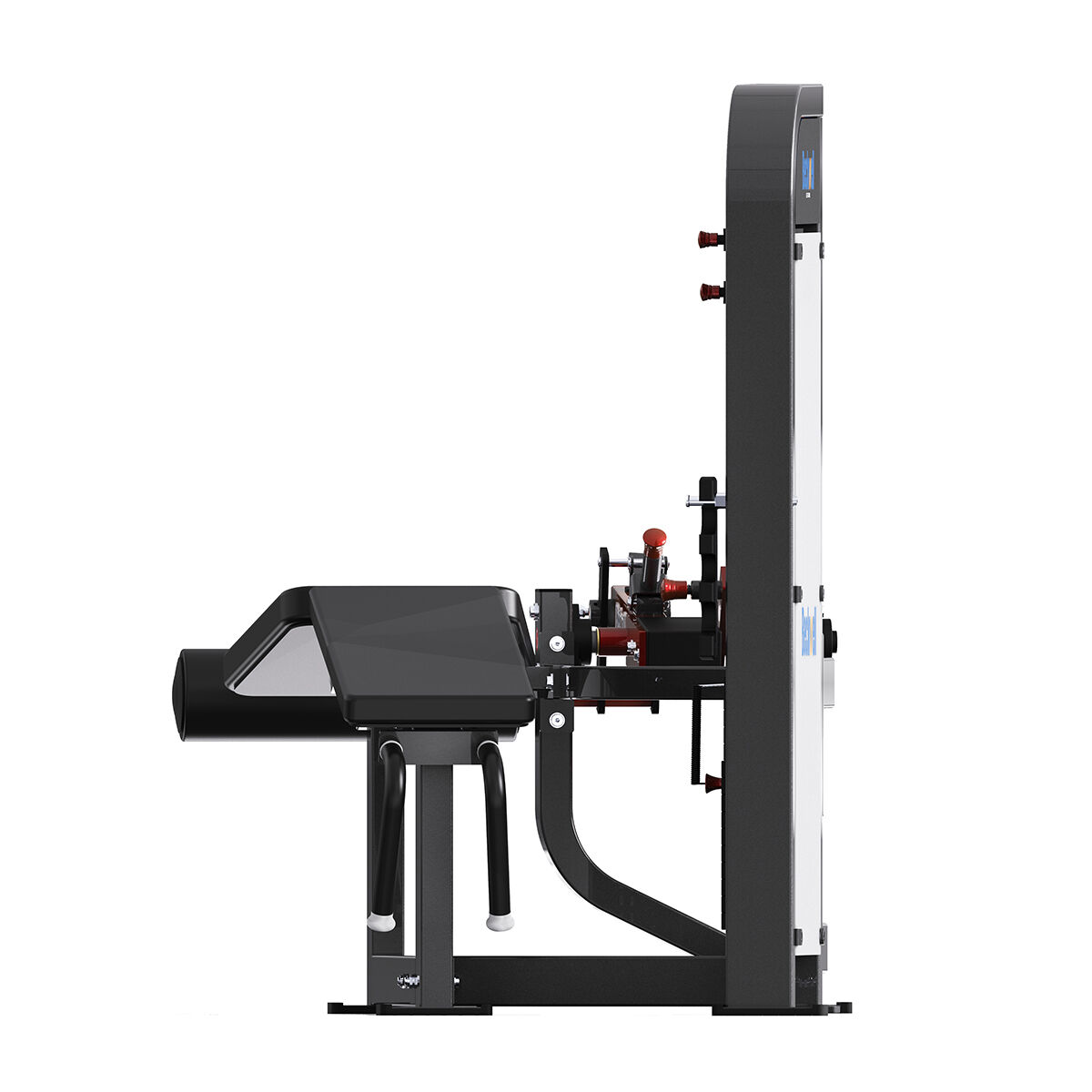
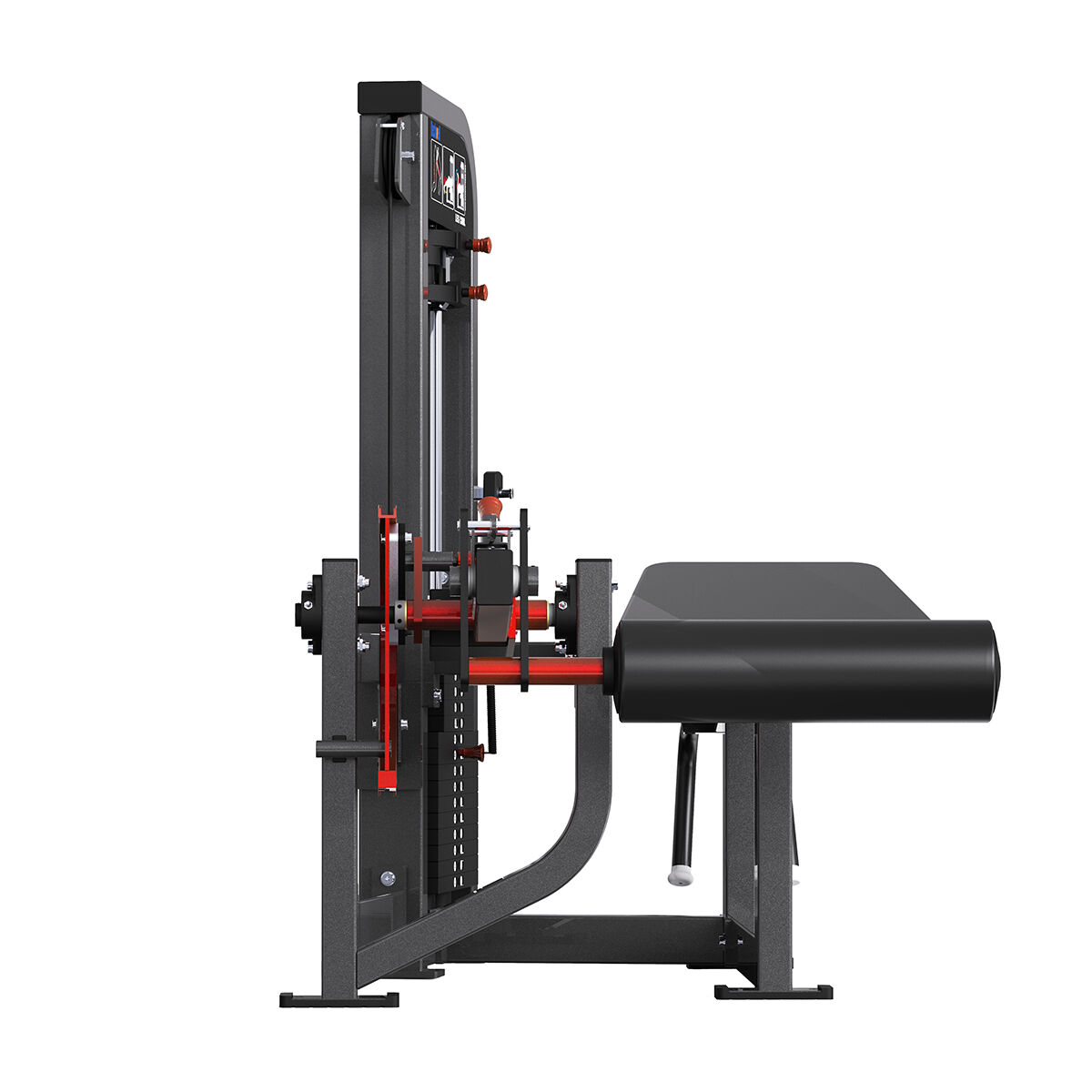
Revolutionary adaptive resistance systems integrated into modern functional strength training equipment represent a quantum leap in personalized fitness technology, offering users unprecedented control over their training intensity and progression. This sophisticated feature automatically adjusts resistance levels based on real-time biometric feedback, including heart rate variability, movement velocity, and force production patterns, ensuring optimal training stimulus throughout each workout session. The system utilizes advanced sensors and artificial intelligence algorithms to analyze user performance continuously, making micro-adjustments to resistance that challenge users appropriately while preventing overexertion or undertraining. This technology particularly benefits individuals with varying fitness levels using the same equipment, as the system personalizes the experience for each user's current capabilities and training goals. The adaptive nature eliminates the guesswork from progression, automatically increasing or decreasing resistance based on performance metrics and recovery indicators, ensuring consistent improvement while minimizing injury risk. Users receive immediate feedback through integrated displays that show real-time performance data, including power output, movement quality scores, and caloric expenditure, enabling them to make informed decisions about their training intensity and technique. The system's learning capabilities mean it becomes more effective over time, developing a comprehensive understanding of each user's strengths, weaknesses, and optimal training parameters. This feature proves invaluable for rehabilitation settings where precise load management is crucial for tissue healing and functional restoration. The equipment can automatically reduce resistance if movement quality deteriorates, protecting users from injury while maintaining training benefits. For athletic performance applications, the system can simulate sport-specific loading patterns and fatigue states, allowing athletes to train under conditions that closely mirror competition demands. The biometric integration extends beyond the workout session, as the system tracks long-term progress trends and provides recommendations for recovery periods, nutrition timing, and training modifications based on accumulated data patterns.