Smart Fitness Devices: Advanced Health Monitoring and Personalized Wellness Technology

smart fitness devices

Smart fitness devices represent a revolutionary approach to personal health and wellness monitoring, combining advanced technology with user-friendly interfaces to transform how individuals track and improve their fitness journey. These innovative gadgets integrate sophisticated sensors, wireless connectivity, and intelligent software to provide comprehensive health insights that were once only available in professional medical settings. Modern smart fitness devices encompass a wide range of products including fitness trackers, smartwatches, heart rate monitors, smart scales, and connected workout equipment that seamlessly sync with mobile applications and cloud platforms. The core functionality of these devices centers around continuous biometric monitoring, capturing essential health metrics such as heart rate variability, sleep patterns, step counting, calorie expenditure, blood oxygen levels, and stress indicators throughout the day. Advanced models incorporate GPS tracking for outdoor activities, waterproof designs for swimming enthusiasts, and multi-sport modes that automatically detect various exercise types. The technological backbone of smart fitness devices relies on miniaturized sensors including accelerometers, gyroscopes, optical heart rate sensors, and barometric pressure monitors that work in harmony to deliver accurate real-time data. Machine learning algorithms analyze collected information to provide personalized recommendations, identify health trends, and predict potential wellness concerns before they become problematic. These devices typically feature long-lasting batteries, intuitive touchscreen displays, and seamless smartphone integration through dedicated mobile applications. The practical applications extend beyond basic fitness tracking to include medication reminders, hydration alerts, breathing exercises, guided workouts, and social challenges that motivate users to maintain active lifestyles. Healthcare professionals increasingly recommend smart fitness devices as valuable tools for preventive care, chronic disease management, and rehabilitation monitoring, making them essential components of modern digital health ecosystems.

New Products

Smart fitness devices deliver immediate access to comprehensive health data that empowers users to make informed decisions about their wellness routines without requiring expensive medical consultations or laboratory tests. These devices provide 24/7 monitoring capabilities that capture health fluctuations throughout different times of day, offering insights into how daily activities, sleep quality, and stress levels impact overall physical condition. Users gain valuable awareness of their baseline health metrics, enabling them to identify patterns and trends that might otherwise go unnoticed until serious health issues develop. The convenience factor cannot be overstated as these devices eliminate the need for manual tracking methods, automatically recording exercise sessions, sleep cycles, and daily activity levels with minimal user intervention required. Cost-effectiveness represents another significant advantage, as smart fitness devices provide ongoing health monitoring at a fraction of the cost associated with regular medical check-ups or personal training sessions. The motivational aspect proves particularly powerful, with built-in goal setting features, achievement badges, and social sharing capabilities that encourage consistent exercise habits and healthy lifestyle choices. Real-time feedback allows users to adjust their workout intensity, monitor recovery periods, and optimize training schedules based on actual physiological responses rather than guesswork or generic recommendations. Integration with smartphone ecosystems creates seamless user experiences where health data synchronizes automatically across multiple platforms, enabling comprehensive wellness tracking without complicated setup procedures. Emergency features in many smart fitness devices can detect falls, irregular heart rhythms, or other concerning health events, automatically alerting emergency contacts or medical services when users cannot respond themselves. The educational value these devices provide helps users understand connections between lifestyle choices and health outcomes, fostering better decision-making regarding nutrition, exercise, and stress management. Customization options allow users to prioritize specific health metrics based on personal goals, medical conditions, or fitness objectives, ensuring relevant information takes precedence over less important data points. Long-term health trend analysis becomes possible through historical data storage, helping users and healthcare providers identify gradual changes that might indicate developing health concerns or confirm the effectiveness of treatment plans.

Latest News

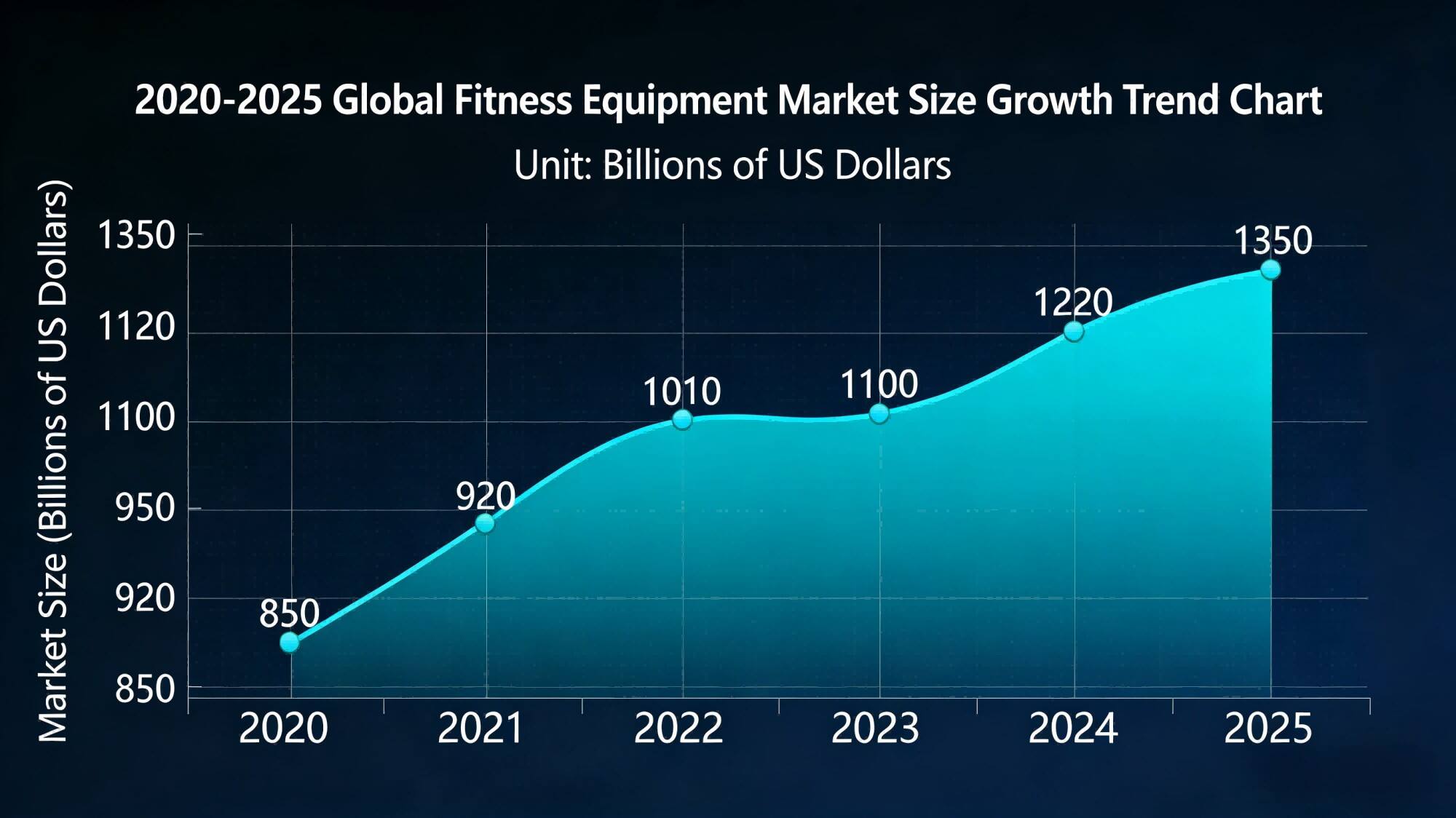
Fitness Equipment Market Exceeds $60 Billion: Chinese Intelligent Manufacturing Accounts for Over 50%, Smart Devices Become Mainstream | China Sporting Goods Federation

10

Feb

Fitness Equipment Market Exceeds $60 Billion: Chinese Intelligent Manufacturing Accounts for Over 50%, Smart Devices Become Mainstream | China Sporting Goods Federation

View More
2026 Fitness Equipment Industry Trend Report: Intelligence, Greenization and Scene Segmentation Become Core Growth Engines

08

Apr

2026 Fitness Equipment Industry Trend Report: Intelligence, Greenization and Scene Segmentation Become Core Growth Engines

View More
Gym System Enters European Chain Gyms: 18% Member Retention Rate Increase | CoolBuild Manufacturing

10

Feb

Gym System Enters European Chain Gyms: 18% Member Retention Rate Increase | CoolBuild Manufacturing

View More
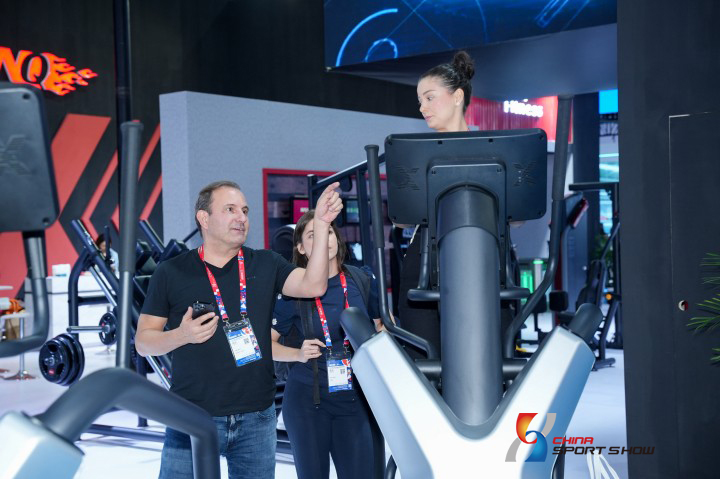
Shandong Beckwell Brings High-End Commercial Fitness Equipment to Strong Presence at the 13th IWF Shanghai International Fitness Exhibition

02

Apr

Shandong Beckwell Brings High-End Commercial Fitness Equipment to Strong Presence at the 13th IWF Shanghai International Fitness Exhibition

View More

Get a Free Quote

Our representative will contact you soon.
Email
Name
Mobile/WhatsApp
Company Name
Message
0/1000

smart fitness devices

Advanced Biometric Monitoring with Clinical-Grade Accuracy

Advanced Biometric Monitoring with Clinical-Grade Accuracy

Smart fitness devices have revolutionized personal health monitoring by incorporating medical-grade sensors that deliver laboratory-quality measurements directly to consumers' wrists and mobile devices. These sophisticated biometric monitoring systems utilize multiple sensor technologies working simultaneously to capture comprehensive physiological data with remarkable precision previously only available through professional medical equipment. Optical heart rate sensors employ photoplethysmography technology to measure blood flow patterns and heart rate variability with accuracy comparable to clinical electrocardiogram devices, while advanced algorithms filter out motion artifacts and environmental interference to ensure consistent readings during various activities. Temperature sensors monitor skin temperature fluctuations that indicate changes in metabolic rate, illness onset, or recovery status, providing early warning systems for potential health concerns. Blood oxygen saturation monitors use dual-wavelength light emission to measure oxygen levels in blood, helping users understand respiratory efficiency and detect altitude-related changes or breathing disorders during sleep. Stress monitoring capabilities analyze heart rate variability patterns combined with activity levels and sleep quality to generate comprehensive stress scores that help users identify triggers and develop effective coping strategies. The integration of barometric pressure sensors enables accurate altitude tracking and stair climbing detection, while sophisticated accelerometers and gyroscopes capture precise movement patterns for detailed activity classification and form analysis during workouts. These smart fitness devices continuously calibrate themselves based on user behavior patterns and physiological responses, improving accuracy over time through machine learning algorithms that adapt to individual characteristics and preferences. The clinical-grade accuracy achieved by modern smart fitness devices has gained recognition from healthcare professionals who increasingly recommend these tools for patient monitoring, chronic disease management, and preventive care programs, bridging the gap between consumer wellness technology and professional medical diagnostics.
Comprehensive Sleep Analysis and Recovery Optimization

Comprehensive Sleep Analysis and Recovery Optimization

Sleep tracking represents one of the most valuable features of smart fitness devices, providing detailed insights into sleep quality, duration, and recovery patterns that significantly impact overall health and fitness performance. Advanced sleep monitoring systems utilize multiple sensors including accelerometers, heart rate monitors, and ambient light detectors to automatically identify sleep onset, track sleep stages including light sleep, deep sleep, and REM cycles, and monitor environmental factors that influence sleep quality throughout the night. These smart fitness devices generate comprehensive sleep reports that analyze sleep efficiency, wake frequency, movement patterns, and heart rate variability during rest periods, offering actionable recommendations for improving sleep hygiene and optimizing recovery protocols. The automatic sleep stage detection algorithms have been validated against polysomnography studies, demonstrating impressive accuracy in identifying different sleep phases without requiring users to manually activate sleep mode or wear uncomfortable equipment. Recovery metrics calculated from sleep data help users understand when their bodies are fully prepared for intense training sessions or when additional rest might be necessary to prevent overtraining and injury. Smart wake-up features analyze sleep cycles to identify optimal wake times within user-specified windows, gently rousing sleepers during lighter sleep phases to reduce grogginess and improve morning alertness. Environmental sleep tracking capabilities monitor bedroom temperature, humidity, and noise levels, correlating these factors with sleep quality scores to help users optimize their sleep environment for better rest. Integration with smart home systems allows these devices to automatically adjust thermostats, lighting, and other environmental controls based on sleep patterns and preferences. Sleep debt calculations track cumulative sleep deficits over extended periods, providing guidance on weekend recovery sleep needs and highlighting patterns that might contribute to chronic fatigue or performance decline. The correlation between sleep quality and next-day performance metrics helps users understand the direct impact of rest on exercise capacity, cognitive function, and stress resilience, encouraging prioritization of healthy sleep habits as fundamental components of fitness routines.
Intelligent Coaching and Personalized Workout Guidance

Intelligent Coaching and Personalized Workout Guidance

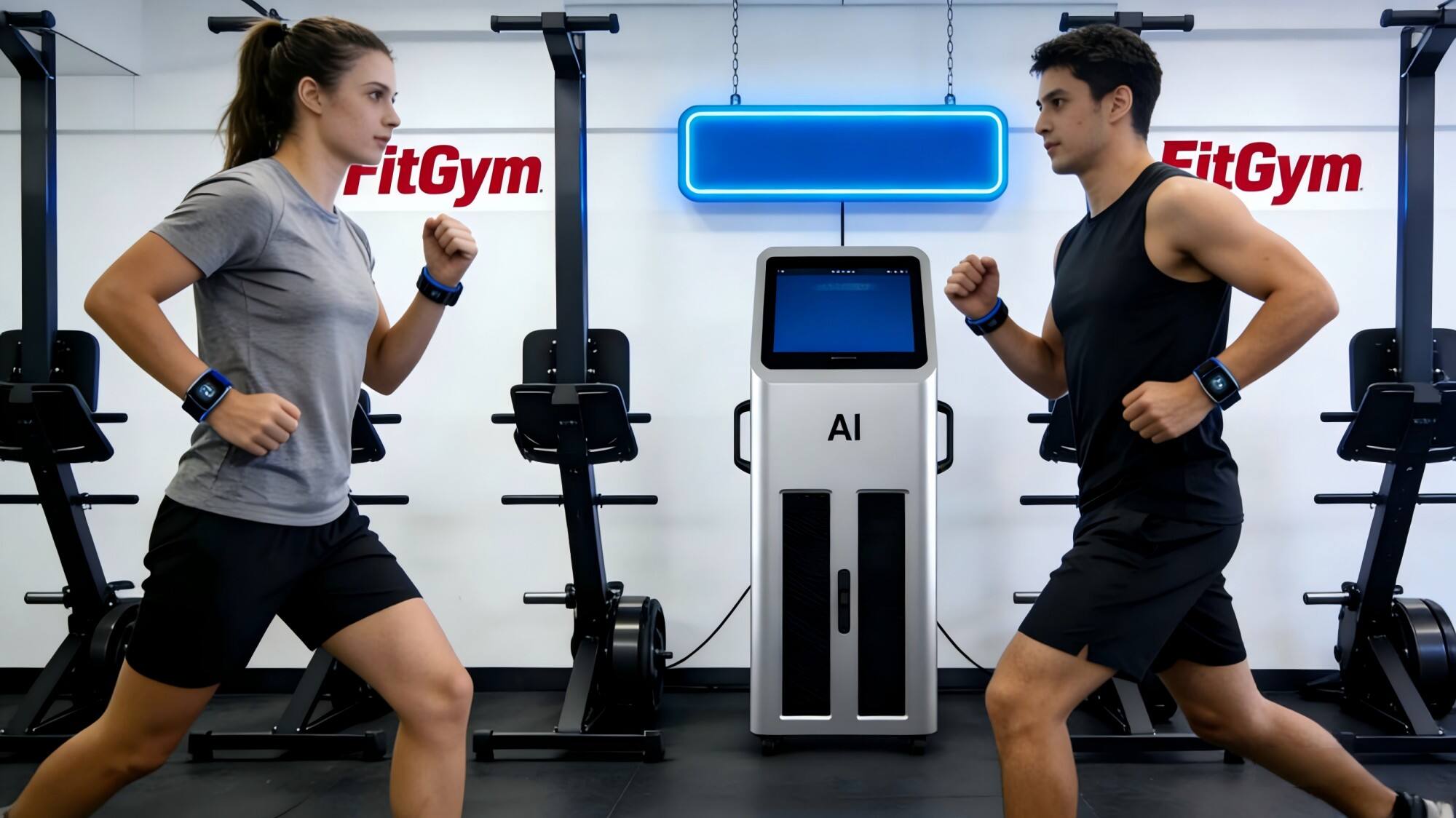
Smart fitness devices have transformed from passive tracking tools into intelligent personal trainers that provide real-time coaching, customized workout recommendations, and adaptive training programs tailored to individual fitness levels, goals, and progress patterns. These advanced coaching systems utilize artificial intelligence algorithms that analyze historical performance data, current fitness metrics, and user preferences to generate personalized exercise routines that challenge users appropriately while minimizing injury risk and maximizing results. Real-time form feedback during workouts helps users maintain proper technique through haptic vibrations, audio cues, and visual guidance displayed on device screens or connected smartphones, ensuring exercise effectiveness and safety. Adaptive training programs automatically adjust workout intensity, duration, and complexity based on recovery status, stress levels, sleep quality, and previous session performance, creating dynamic fitness plans that evolve with users' changing capabilities and circumstances. The integration of GPS tracking with workout guidance enables location-based exercise recommendations, suggesting running routes, hiking trails, or outdoor workout locations based on user preferences, weather conditions, and safety considerations. Voice coaching features provide motivation, technique tips, and progress updates during exercises without requiring users to interrupt their workouts to check device screens. Smart fitness devices can detect and automatically track various exercise types including running, cycling, swimming, strength training, yoga, and high-intensity interval training, applying appropriate metrics and coaching strategies for each activity. Recovery coaching analyzes post-workout physiological markers including heart rate recovery, stress scores, and sleep quality to recommend optimal rest periods, active recovery activities, or modified training intensities for subsequent sessions. Integration with popular fitness applications and platforms allows these devices to synchronize with comprehensive workout libraries, nutrition tracking systems, and social fitness communities, creating holistic wellness ecosystems that support long-term behavior change. The gamification elements built into coaching systems including achievement badges, streak counters, and challenge participation help maintain user engagement and motivation over extended periods, addressing one of the primary obstacles to consistent exercise adherence.

Smart Fitness Devices: Advanced Health Monitoring and Personalized Wellness Technology

Get a Free Quote

Our representative will contact you soon.
Email
Name
Mobile/WhatsApp
Company Name
Message
0/1000

Copyright © 2026 Shandong Beckwell Fitness Equipment Co., Ltd. All Rights Reserved  -  Privacy Policy